In 2026, the feature email has become a mission-critical tool for SaaS companies aiming to boost user engagement and drive product adoption. As user expectations evolve and new technologies emerge, the way teams approach feature email strategy is rapidly changing.
This comprehensive guide will share actionable strategies, real-world examples, and expert insights to help you craft feature emails that increase product usage and conversions. You will learn how to segment your audience, structure compelling emails, personalize messaging, leverage automation, and analyze performance.
Mastering feature emails is essential for staying ahead in today’s competitive landscape. Let’s explore the latest trends and proven tactics to ensure every announcement is timely, targeted, and impactful.
Understanding the Role of Feature Emails in 2026
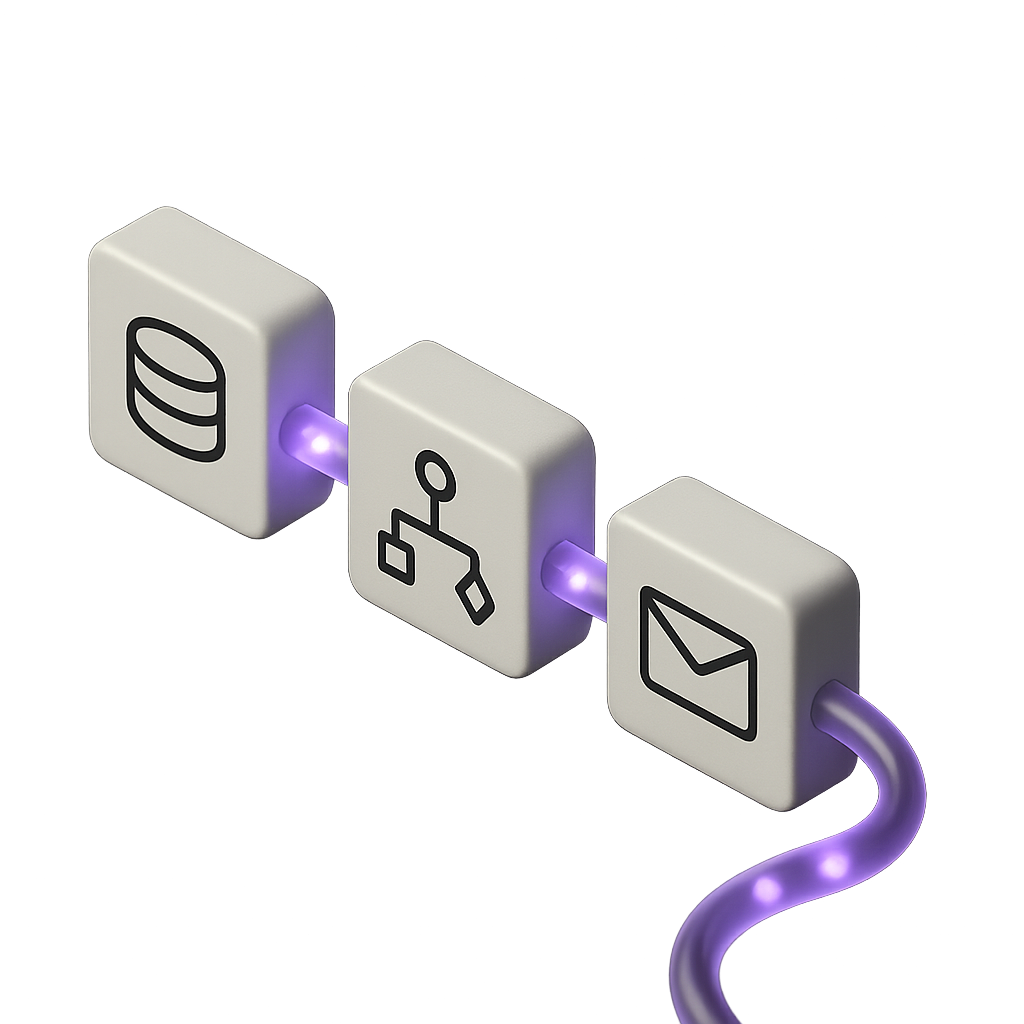
Feature email strategies are rapidly evolving as SaaS companies compete for user attention in 2026. No longer just updates, feature email campaigns are now vital for engagement, adoption, and revenue growth. To stand out, teams must rethink their approach and ensure every feature email is purposeful and data-driven.
The Evolving Purpose of Feature Emails
In recent years, the feature email has transformed from a basic announcement into a powerful engagement engine. Modern SaaS companies use feature emails to connect product updates directly to user needs, driving not only awareness but also deeper product adoption and loyalty.
A feature email is no longer just a notification. It is a strategic touchpoint that supports product and marketing objectives. Companies now align feature email content with key business goals, such as increasing activation, reducing churn, or upselling premium plans. For instance, Userlist leverages feature emails to both educate users about new capabilities and prompt upgrades, blending awareness with conversion goals.
Competitors recognize that a well-crafted feature email can educate users, encourage exploration, and reinforce brand value. This multi-purpose approach ensures that every feature email sent delivers measurable impact, not just information. By connecting updates to user pain points and desired outcomes, feature emails are now essential tools for retention and upsell strategies.
Trends Shaping Feature Email Strategy
The landscape for feature email campaigns is shaped by new technologies and rising user expectations. Real-time, data-triggered messaging is now the norm. SaaS platforms use database events to send feature emails precisely when users are most likely to engage. Teams also adopt multi-channel approaches, layering email with in-app messages or WhatsApp to reinforce key updates.
Personalization is more important than ever. Users expect feature email content to be relevant, visually rich, and tailored to their journey. Automation and segmentation enable companies to deliver the right message to the right segment at the perfect moment.
According to Userlist, “Emails remain one of the best channels for delivering product news.” This is supported by industry benchmarks, which show feature email open and click-through rates consistently outperform generic newsletters. As a result, automation, advanced targeting, and visually engaging designs are now standard practice for any successful feature email strategy.
Types of Feature Emails
Feature emails come in several forms, each with a specific role in the user lifecycle. The two primary categories are dedicated feature launches and round-up announcements. Dedicated launches focus on a single, high-impact update, while round-ups combine multiple smaller changes in one email.
Feature emails can also be transactional—triggered by user actions—or marketing-driven, sent to highlight value or prompt upgrades. Typical use cases include onboarding new users, announcing premium features, educating on new workflows, or requesting feedback after a release.
For example, Brex sends targeted feature emails to premium users, ensuring the right audience receives details about exclusive capabilities. Userlist, on the other hand, segments recipients so that only those qualified for updates receive certain feature email broadcasts. For a comprehensive overview of how feature emails fit within the broader spectrum of user communications, see Types of user emails explained.
Feature emails, when purposefully designed, drive not only awareness but also activation, satisfaction, and ongoing engagement.
Planning Your Feature Email Campaign
A successful feature email campaign starts with careful planning. Every decision, from which features to announce to how you segment your audience, influences engagement and adoption. Strategic planning ensures your feature email delivers value, aligns with business goals, and avoids overwhelming users.
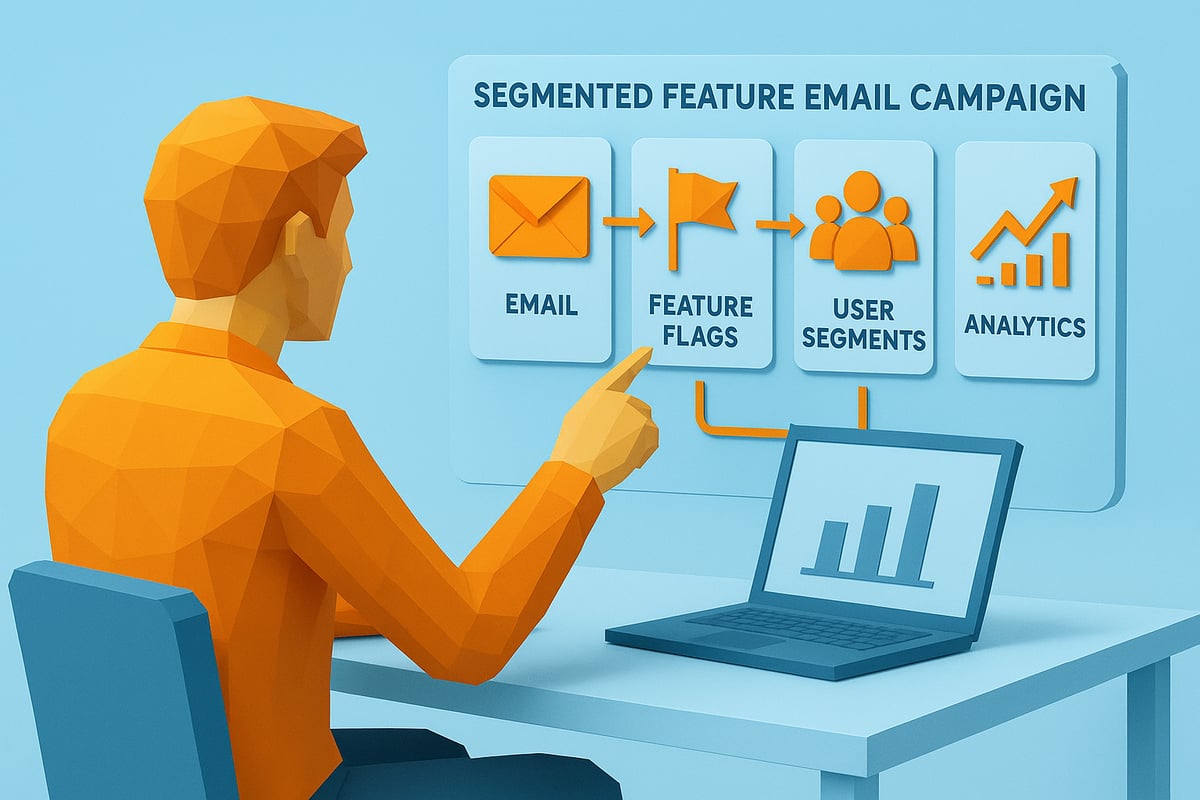
Determining When a Feature Deserves a Dedicated Email
Not every update is worthy of its own feature email. Reserve dedicated announcements for high-impact, novel, or heavily requested features. If a change directly addresses user pain points or opens new revenue streams, it likely merits a standalone message.
For minor enhancements or bug fixes, opt for inclusion in a monthly round-up. This approach reduces notification fatigue and keeps communications concise. For example, Userlist recommends saving dedicated feature emails for “special features,” while routine improvements can be bundled.
Criteria for a Dedicated Feature Email:
| Criteria | Dedicated Email | Newsletter Round-up |
|---|---|---|
| Major Feature Launch | ✔ | |
| High User Demand | ✔ | |
| Minor UI Tweak | ✔ | |
| Bug Fixes | ✔ |
By applying these criteria, you enhance relevance and maintain user trust with your feature email strategy.
Defining Objectives and Success Metrics
Before drafting your feature email, set clear objectives. Are you aiming to boost engagement, educate users, drive conversions, or gather feedback? Link every feature email to a specific goal on your product roadmap and business KPIs.
Common objectives for feature emails include:
- Driving trial signups or upgrades
- Increasing feature adoption rates
- Gathering user feedback
- Educating users about new capabilities
Success metrics should be precise and actionable. Track open rates, click-throughs, and feature activation rates. For example, if your feature email targets free users, measure upgrade conversions post-campaign.
To maximize effectiveness, review the characteristics of effective emails and align your objectives with proven best practices for clarity and relevance.
Audience Segmentation and Targeting
Effective segmentation is key to delivering the right feature email to the right users. Start by identifying whether to notify all users, only paying customers, or specific segments based on behavior or demographics.
For example, exclude users still in onboarding flows from advanced feature announcements to avoid confusion. Behavioral triggers, like recent activity or plan tier, help tailor content and timing. Userlist’s “Qualified for Updates” segment illustrates how precise targeting increases engagement.
Types of segmentation for feature emails:
- Plan tier (free, pro, enterprise)
- Product usage (active, dormant, power user)
- Lifecycle stage (onboarding, mature, churn risk)
- Demographics (region, company size)
Targeted feature emails minimize noise and maximize relevance.
Feature Naming and Positioning
A feature email is only as effective as its clarity. Use benefit-driven, memorable names that reflect your brand and communicate value instantly. Avoid technical jargon that could alienate non-technical users.
For example, SavvyCal excels at catchy, user-focused naming. Instead of “API v2.3 Update,” use “Instant Calendar Sync” to highlight benefits.
Good: "Smart Reminders—Never Miss Another Meeting"
Poor: "Backend Notification Update v1.2"
Position each feature in the context of user needs. Ask: How does this feature solve a problem or make life easier? Your feature email should answer this in the headline or opening lines.
Status and Billing Considerations
Transparency in your feature email prevents confusion and builds trust. Clearly state if a feature is available to all users, specific plans, or by request only. If the update affects billing—such as introducing a paid add-on or moving a feature to a higher tier—clarify this upfront.
Userlist highlights feature access by plan tier, ensuring users know exactly what they receive. Best practices include:
- Marking features as “Pro only” or “Available on request”
- Detailing any changes to billing or access
- Linking to support or pricing pages for more information
A transparent feature email avoids surprises and helps users make informed decisions.
Crafting the Perfect Feature Email
Creating a high-performing feature email requires more than a simple announcement. In 2026, user expectations are higher, and inbox competition is fierce. To break through the noise, your feature email must be structured for clarity, written with persuasive intent, visually engaging, and compliant with modern standards. Let’s explore how to craft the perfect feature email, step by step.
Structuring Your Feature Email for Maximum Impact
A successful feature email starts with a clear structure. The essential components include:
- Subject line: Make it concise and benefit-oriented. Grab attention but avoid clickbait.
- Headline: Summarize the core value of the new feature in one sentence.
- Body: Break information into short, digestible sections. Use headings, bullet points, and white space.
- Visuals: Place key images or GIFs above the fold to illustrate the feature instantly.
- CTA (Call to Action): Position a primary CTA near the top, with secondary options further down.
For placement, always prioritize the most important information at the top. Users skim emails quickly, so the main message and CTA should be immediately visible. For example, HEY’s plain text feature email puts the announcement, visuals, and key links upfront, making it easy for users to act.
To ensure your feature email stands out, use a table to organize the main elements:
| Element | Purpose | Placement |
|---|---|---|
| Subject Line | Capture attention | Inbox preview |
| Headline | State main benefit | Top of email |
| Visuals | Show feature in action | Above the fold |
| Body | Explain details, tell story | Middle |
| CTA | Drive next action | Top and bottom |
Writing Compelling Copy
The copy in your feature email should be both concise and persuasive. Aim for brevity, but do not sacrifice clarity or detail. Use formatting to make content skimmable—bold key points, use bullet lists, and break up long text.
Focus on benefits, not just technical specs. Explain how the new feature solves user pain points or improves their workflow. Storytelling is a powerful tool. For example, Campsite’s feature emails use a narrative to connect the new release to real user challenges.
Include a TLDR (Too Long, Didn’t Read) section at the top for quick comprehension. Polar Habits uses this tactic, giving users an instant summary before diving into details.
Best practices for copywriting in a feature email:
- Use active voice and direct language.
- Highlight user value in every paragraph.
- Address the reader personally.
- Avoid jargon unless your audience is highly technical.
Visual Elements and Media
Visuals play a crucial role in the effectiveness of a feature email. Screenshots, GIFs, and short videos provide instant clarity and help users understand what’s new.
Use visual comparisons to highlight changes or upgrades. For instance, Polar Habits’ feature email showcases new challenge modes with side-by-side images, making differences obvious.
Always ensure your visuals are accessible and mobile-friendly. Use alt text for images and keep file sizes optimized for fast loading.
Consider these visual elements for your feature email:
- Screenshots: Show the feature in context.
- GIFs: Demonstrate workflows or animations.
- Videos: Offer a quick demo or tutorial.
- Icons: Reinforce key benefits or steps.
Ranking Raccoon frequently uses GIFs to highlight workflow improvements, resulting in higher engagement.
Calls to Action (CTAs) That Convert
Effective CTAs are essential in every feature email. The CTA should be clear, actionable, and relevant to the new feature. Use strong verbs like “Try Now,” “Explore Feature,” or “Book a Demo.”
It is best to include multiple CTAs, strategically placed throughout the email. Start with a primary CTA above the fold and add secondary options after detailed explanations.
Encourage user feedback or engagement post-launch. For example, add a “Share Feedback” button or invite users to a Q&A session about the new release.
Tips for high-converting CTAs in a feature email:
- Use contrasting colors for buttons.
- Keep text short and direct.
- Repeat the primary CTA at the end.
Personalization and Dynamic Content
Personalization is a hallmark of a modern feature email. Leverage user data to tailor the message, such as addressing the user by name, referencing their plan, or highlighting features relevant to their usage.
Dynamic content blocks allow you to show different messages or CTAs to different segments. For example, highlight “Pro only” features for eligible users, or nudge free users to upgrade.
Modern tools support advanced personalization, including:
- Conditional content based on user segment.
- Dynamic image swaps for different plans.
- Personalized recommendations tied to past behavior.
Personalization boosts engagement and makes your feature email feel directly relevant to each recipient.
Compliance and Deliverability
A great feature email must also be compliant and reliably delivered. Ensure you meet GDPR, CAN-SPAM, and other regulations by including clear subscription preferences and opt-out links.
Manage preferences so users can choose which updates they receive. Avoid spam filters by using verified sending domains, avoiding spammy phrases, and maintaining a clean list.
Accessibility is equally important. Use accessible color palettes, readable fonts, and alt text for images. Stay updated on the latest email marketing trends for 2026 to ensure your feature email is optimized for deliverability, mobile behavior, and compliance.
By following these guidelines, your feature email will reach the right audience, drive engagement, and build long-term loyalty.
Automation, Timing, and Workflow Optimization
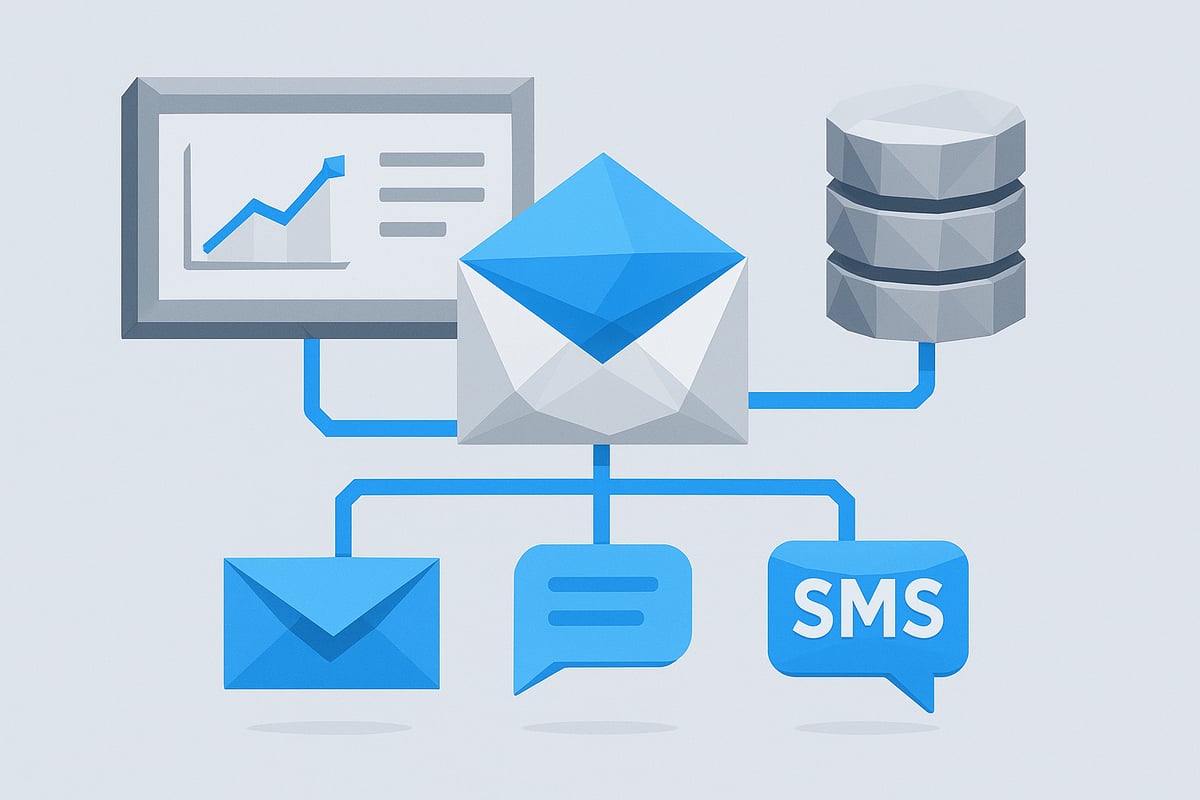
Modern SaaS teams know that sending a feature email at the right time, to the right users, and through the right channels can make the difference between a successful launch and a missed opportunity. In this section, we break down how automation, timing, and workflow design drive effective feature email campaigns in 2026.
Leveraging Automation for Timely Announcements
Automation is the backbone of every high-impact feature email strategy in 2026. Teams rely on workflow tools that trigger emails based on real-time product data, ensuring users hear about new features when it matters most.
For example, instead of batching updates or relying on manual sends, SaaS companies now use database events to initiate targeted messages. This approach eliminates delays and reduces errors, providing users with instant notifications about features relevant to their activity. To see how this works in practice, explore Feature workflows with database events for real-world use cases and implementation tips.
Popular automation triggers include user sign-ups, specific actions (like reaching a milestone), or changes in subscription status. By aligning feature email sends with these triggers, you boost engagement and streamline your product communication process.
Integrating Multi-Channel Communication
In 2026, feature email campaigns are rarely limited to just email. The most effective strategies combine channels such as in-app messaging, WhatsApp, and SMS for a holistic user experience.
Sequencing is key. Start with a feature email to announce the update, then follow up with an in-app message for active users or a WhatsApp notification for those who prefer mobile alerts. This approach increases the likelihood that your message is seen and acted upon.
Multi-channel workflows let you meet users where they are, reinforce your message across touchpoints, and personalize delivery based on user preferences. This ensures that your feature email campaign is both wide-reaching and relevant.
Optimal Timing and Frequency
When it comes to feature email timing, context is everything. Analyze user activity patterns and time zones to determine the best send windows for your audience. Avoid sending feature emails during off-hours or when users are least likely to engage.
Frequency matters as well. Too many announcements can lead to email fatigue and unsubscribes. Instead, prioritize major updates for dedicated feature email sends and group minor changes into monthly round-ups. Segment users by lifecycle stage so each recipient gets the right amount of information, at the right time.
A well-timed feature email feels helpful, not intrusive, and supports your overall engagement goals.
Workflow Examples and Templates
Effective feature email workflows start with clear objectives and logical steps. Here is a simple checklist for building your workflow:
- Identify the event or trigger for the feature email.
- Choose the right audience segment.
- Select channels for delivery.
- Draft tailored content and CTAs.
- Set up analytics for tracking engagement.
Use visual workflow templates to map out onboarding, upsell, or feedback scenarios. Templates save time and ensure consistency across campaigns.
Measuring and Iterating on Performance
Continuous improvement is vital for feature email success. Set up analytics to track open rates, click-throughs, conversions, and feature adoption. Run A/B tests on subject lines, content, and send times to uncover what resonates.
Listen to user feedback and monitor engagement data closely. Use these insights to refine your next feature email campaign and maximize impact.
Real-World Feature Email Examples and Templates
Feature email campaigns have evolved into powerful tools for SaaS brands seeking higher engagement and adoption. Examining high-performing feature email examples reveals key tactics that consistently drive results.
<div data-youtube-video> <iframe src="https://www.youtube.com/embed/P6VJTYoq1V8" frameborder="0" allowfullscreen data-type="youtube" data-youtube-video-id="P6VJTYoq1V8" ></iframe> </div>Breakdown of High-Performing Feature Emails
Industry leaders like SavvyCal, Ranking Raccoon, and Userlist craft feature email campaigns that prioritize clarity, value, and action. For example, SavvyCal’s feature email highlights benefits with a bold headline and concise summary, then supports claims with visuals and a direct call to action.
Ranking Raccoon uses animated GIFs to showcase new workflows, making each feature email visually engaging and easy to understand. Userlist segments audiences so only relevant users receive updates, which reduces noise and boosts engagement.
A common strength across these brands is the focus on benefit-driven copy rather than technical jargon. However, some miss opportunities to clarify feature access or link to more information. Including clear plan breakdowns and upgrade prompts can further improve results. For deeper insights on audience targeting, see Introduction to user emails.
Feature Email Template for 2026
A modern feature email template in 2026 should balance attention, clarity, and personalization. Below is a step-by-step annotated structure:
| Section | Purpose | Example |
|---|---|---|
| Subject Line | Capture attention, set expectations | "Introducing Smart Filters: Find Data Instantly" |
| Preview Text | Add context, boost open rates | "Save time with our latest advanced search feature" |
| Headline | Spotlight the new feature | "Smart Filters Are Here" |
| Visual | Show the feature in action | Screenshot or GIF of Smart Filters |
| Body | Explain benefits, use cases | "Now you can filter reports in seconds, reducing manual work." |
| CTA | Drive action | "Try Smart Filters Now" |
| Secondary CTA | Encourage feedback or demo | "Book a Demo" |
| Footer | Clarify feature availability, billing | "Available for Pro users. Learn more." |
Customize each feature email for user segments, highlighting unique benefits. Strong subject lines and preview text are essential for high open rates.
Common Pitfalls and How to Avoid Them
Many teams unintentionally overload their feature email with multiple updates, overwhelming readers. Another pitfall is relying on technical language, which alienates non-technical users.
Poor segmentation means users may receive irrelevant updates, causing confusion or frustration. Failing to clarify feature availability or billing can lead to support tickets and churn.
To avoid these issues:
- Limit each feature email to one main update when possible
- Use plain language that focuses on user value
- Segment recipients by plan, lifecycle stage, or behavior
- Clearly state if a feature is gated, request-only, or paid
Encouraging Engagement and Feedback
The most effective feature email campaigns invite users to interact or share feedback. Add a quick survey or feedback link after the main CTA to learn how users perceive the new feature.
Building community is another strategy. Brands like Campsite and Transistor host Q&A sessions or “Happy Hours” to discuss feature launches. Including social proof or testimonials in follow-up emails can drive broader adoption.
As you refine your feature email strategy, keep engagement channels open and celebrate user contributions. This approach not only boosts adoption but also strengthens brand loyalty.
Future Trends and Advanced Best Practices for Feature Emails
As we look toward 2026, feature email strategies are evolving rapidly. The rise of AI, interactivity, and inclusivity is transforming how SaaS teams connect with users. Let us explore the key trends shaping the future of feature email campaigns, with practical insights you can apply today.
AI and Personalization at Scale
Artificial intelligence is revolutionizing feature email by enabling hyper-personalized experiences at scale. Advanced segmentation, predictive analytics, and AI-generated copy help deliver the right message at the perfect time for each user. According to recent AI in Email Marketing Statistics (2026 Trend), AI-powered campaigns see significantly higher open and click rates. This means your feature email can now adapt its content, timing, and even call-to-action based on real user behavior, driving engagement and revenue.
Interactive and Dynamic Email Content
Feature email content in 2026 is no longer static. Embedding interactive elements such as polls, sliders, or mini-demos directly inside the email boosts engagement and provides instant feedback. Dynamic content blocks can update in real time, reflecting a user’s product status or recent actions. For example, interactive product tours or voting buttons allow users to try new features or share feedback without leaving their inbox. These innovations make the feature email a two-way communication channel.
Accessibility and Inclusivity
Designing feature email content for everyone is now a non-negotiable best practice. Accessibility means using alt text for images, high-contrast color palettes, and responsive layouts that work on all devices. Inclusive feature email design also considers users with disabilities, ensuring keyboard navigation and screen reader compatibility. By prioritizing accessibility, you expand your reach and reinforce your brand’s commitment to user experience, making every feature email impactful for every recipient.
Integrating User Feedback into Feature Email Strategy
The most effective feature email strategies now actively close the feedback loop. Sharing user-driven improvements in follow-up announcements builds trust and shows you listen. Crowdsourcing ideas for future features or recognizing contributors in your feature email boosts community engagement. Incorporate user surveys, quick polls, or “what should we build next” sections to invite participation, and link back to updates that resulted from user suggestions for a transparent, collaborative approach.
Preparing for the Next Generation of Product Communication
Feature email is converging with in-app messaging, chat, and SMS to form modular, API-driven communication stacks. This unified approach allows SaaS teams to orchestrate seamless user journeys, choosing the best channel for each touchpoint. As outlined in recent lifecycle marketing trends 2026, behavior-based triggers and AI-optimized send times will become standard. Staying ahead means rethinking feature email as part of a flexible, multi-channel strategy that adapts to user preferences and product evolution.<br><br>You’ve seen how feature emails are evolving in 2026—becoming more targeted, timely, and impactful thanks to real-time automation and data-driven insights. If you’re ready to put these best practices into action and want a seamless way to trigger personalized emails directly from your Supabase or Postgres database, Minimo can help you do it without the usual headaches. You’ll be able to engage users at exactly the right moment and measure real results—no more clunky scripts or guesswork. Why not experience the difference yourself? Get started for free