Imagine a future where your emails are always opened, read, and acted upon. In 2026, this vision is closer than ever, with technology and user expectations reshaping the way we communicate.
As digital noise grows, mastering the right email characteristics is essential to break through crowded inboxes and make a real impact. The rules have changed, and only those who adapt will see their messages stand out.
In this article, you will discover the seven essential email characteristics every professional needs to know for 2026. Get ready to learn actionable strategies that increase engagement, drive conversions, and help your emails succeed in a fast-evolving digital landscape.
The Evolution of Email Communication in 2026
The landscape of email communication is transforming at a rapid pace in 2026. Understanding these changes is crucial for anyone seeking to master the core email characteristics that drive engagement and results. Below, we explore the four major forces reshaping how we connect, inform, and convert through email.
Shifting User Behaviors and Expectations
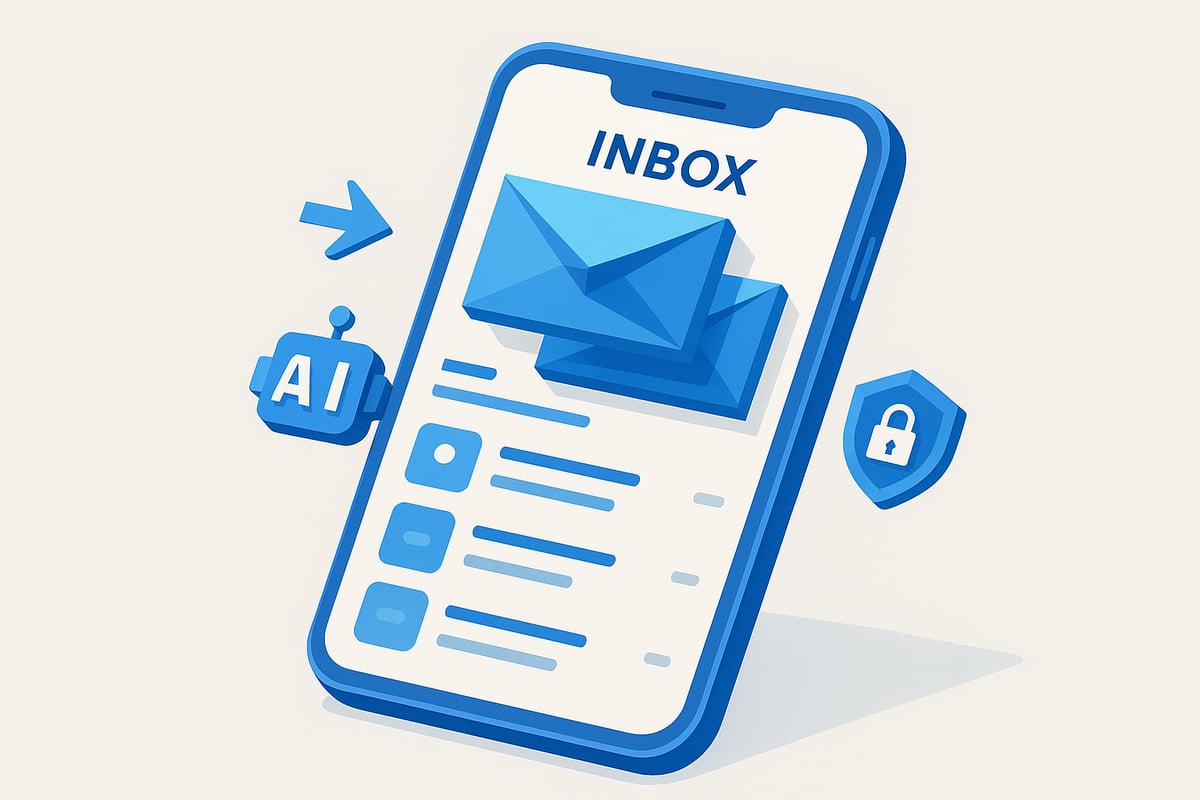
Mobile devices now dominate how people read emails, with over 70 percent of messages opened on smartphones. This shift means that email characteristics must prioritize concise content and responsive design.
Users expect hyper-personalized, relevant messages tailored to their interests. Short attention spans require emails to deliver immediate value. Artificial intelligence is now central, filtering and prioritizing messages so that only trusted, high-engagement senders make it to the top of the inbox.
For example, smart inboxes automatically surface emails from brands with high interaction rates, making quality and relevance essential email characteristics for success.
Advances in Email Technology and Automation
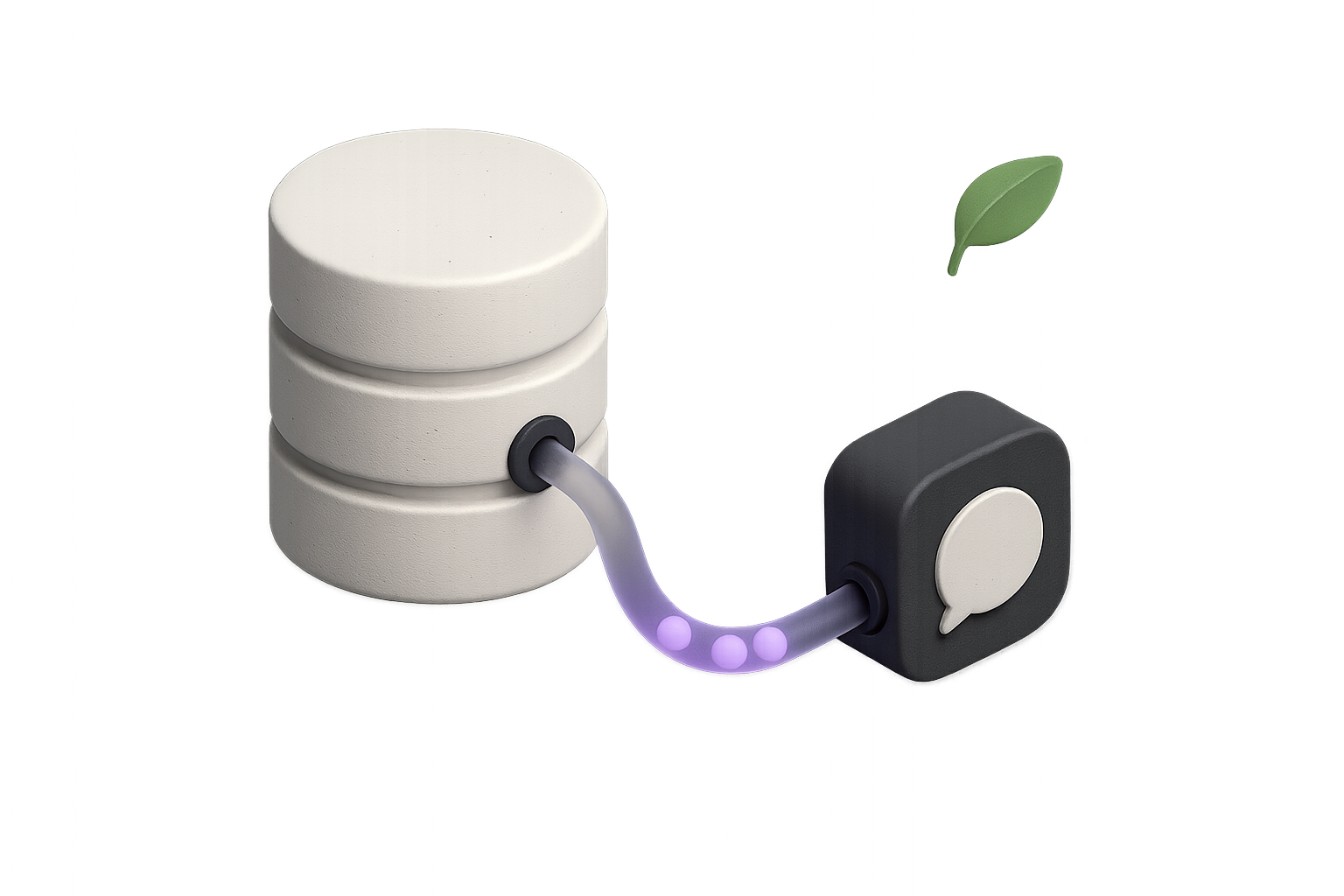
The email ecosystem in 2026 thrives on AI-driven tools for content optimization. These systems use real-time database triggers and event-based messaging to send the right message at the right time.
Integration with platforms like WhatsApp and SMS creates a seamless, unified communication experience. Automated workflows now adapt dynamically, analyzing user actions and preferences to optimize outreach.
For instance, a SaaS platform can trigger onboarding tips or feature updates based on real-time user behavior. These technological advances have redefined essential email characteristics, placing automation and adaptability at the forefront.
The Role of Privacy and Compliance
Privacy regulations are stricter than ever, with GDPR, CCPA, and new 2026 standards shaping data usage. Marketers must prioritize consent, transparency, and robust opt-in processes as foundational email characteristics.
Enhanced security protocols, such as SPF, DKIM, and DMARC, are now standard practice to protect sender reputation. These measures influence how segmentation and personalization are applied, ensuring compliance and building trust with recipients.
Brands are adopting clear privacy policies and granular consent options to align with user expectations and regulatory demands. This focus on compliance is now inseparable from successful email characteristics.
The Competitive Email Marketing Landscape
Inboxes are more crowded, with average open rates hovering near 36.5 percent. Brands are investing in smarter segmentation and creative design to differentiate their messages.
Measurable ROI and advanced analytics are now expected, with businesses continually refining campaigns to improve engagement. Creative use of data and design is essential to stand out.
For a deeper dive into mobile email behavior, deliverability, and ROI in the evolving landscape, explore these Email Marketing Trends 2026: Benchmarks, Deliverability, ROI, And AI Data. Staying informed on these trends helps you focus on the most impactful email characteristics for 2026.
7 Essential Email Characteristics You Need to Know in 2026
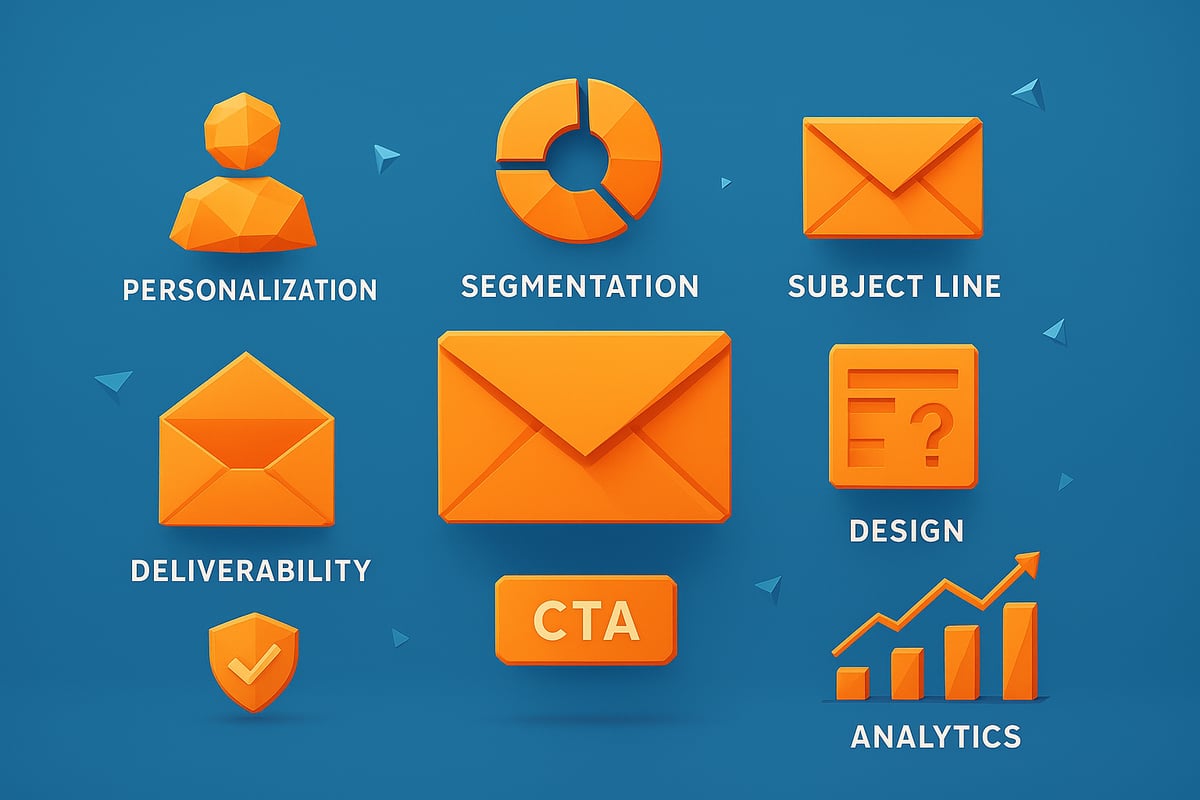
The digital landscape of 2026 has transformed how brands and individuals communicate. To succeed, you must master the seven essential email characteristics that set outstanding campaigns apart. Each characteristic below is not just a trend, but a core requirement for high-performing email strategies this year.
1. Hyper-Personalization
Hyper-personalization is the evolution of basic personalization in email communication. In 2026, it means going beyond first-name tags to create dynamic, behavior-based content that feels tailor-made for each recipient. Brands now harness real-time data—such as purchase history, browsing patterns, and engagement triggers—to deliver messages that resonate on an individual level.
AI-driven content recommendations are central to this approach. Algorithms predict what users want before they know it, offering product suggestions, exclusive content, and timely reminders. For example, e-commerce platforms send personalized recommendations based on abandoned carts, reminding users of items they showed interest in.
This level of personalization is driven by machine learning, allowing for predictive messaging that adapts with every user interaction. As a result, personalized emails now deliver six times higher transaction rates compared to generic campaigns.
Best practices for hyper-personalization include segmenting by user behavior, implementing dynamic content blocks that change based on recipient data, and continuously testing personalized offers. These steps are essential for creating standout email characteristics.
To learn more about what information should be included in effective emails, explore Information included in emails, which provides further insight into crafting messages that convert.
Hyper-personalization is not optional in 2026. It is a core element among the most impactful email characteristics today.
2. Advanced Segmentation Strategies
Segmentation is the backbone of successful email campaigns. In 2026, advanced segmentation strategies have become one of the top email characteristics for driving engagement and conversion.
Modern segmentation moves beyond simple demographics. Brands now use a mix of demographic, psychographic, user activity, and lifecycle stage data to create precise audience groups. Behavioral segmentation is especially powerful—triggering emails based on specific actions, such as downloads, purchases, or inactivity.
For instance, SaaS providers often segment users by plan type or frequency of product use. This enables them to send targeted feature updates or renewal reminders, increasing relevance and value for each segment.
Maintaining up-to-date and relevant lists is essential. Automated CRM and database integrations simplify the process, ensuring segments evolve as user behavior changes. Statistics show that segmented campaigns achieve 14.32 percent higher open rates and 5 percent more click-throughs compared to non-segmented sends.
Best practices for advanced segmentation include:
- Regularly updating lists to reflect current user data.
- Using behavioral triggers for timely, relevant messaging.
- Integrating with CRM tools for automated segmentation.
If you want to master email characteristics that drive results, robust segmentation is indispensable.
3. Compelling, Action-Oriented Subject Lines
The subject line is the gatekeeper of your email’s success. In 2026, crafting compelling, action-oriented subject lines remains central to effective email characteristics.
Your subject line forms the first impression. Personalization, urgency, curiosity, and a clear value proposition are proven strategies for boosting open rates. For example, referencing recent user activity or including the recipient’s name can immediately capture attention.
Avoid common spam triggers by using clear, concise language without excessive punctuation or ALL CAPS. Emojis, questions, or benefit-driven phrases can add creativity and intrigue. A/B testing is crucial—continually experiment with variations to discover what resonates with your audience.
According to industry data, subject lines are the number one factor influencing open rates. Successful brands consistently test and refine their subject lines to stay ahead.
Creative approaches include:
- Using personalized elements.
- Asking engaging questions.
- Keeping messages short and direct.
Effective subject lines are a defining feature among high-performing email characteristics, making them a non-negotiable focus for 2026 campaigns.
4. Visually Appealing and Mobile-Responsive Design
Design is more than aesthetics—it is central to the user experience and a standout among essential email characteristics. In 2026, over 70 percent of emails are opened on mobile devices, making mobile-responsive design critical.
A visually appealing email uses clear sections, bold calls-to-action, and a balanced layout with ample white space. Mobile optimization ensures content is easily readable and interactive on any device. Consistent branding, through logos, colors, and fonts, builds trust and recognition.
Newsletters with clickable, easy-to-navigate layouts keep readers engaged. Limiting text, using images strategically, and testing across devices are best practices to maximize performance. Mobile-responsive emails receive higher click-through rates, directly impacting campaign ROI.
Here is a quick checklist for mobile-responsive design:
- Short paragraphs for easy scanning.
- Large, tappable buttons.
- Images that load quickly and scale well.
- Consistent brand elements.
In 2026, visually appealing and mobile-responsive emails are not just nice to have—they are defining email characteristics for every successful campaign.
5. Clear and Compelling Calls-to-Action (CTAs)
A clear and compelling call-to-action guides readers to the next step. In 2026, CTAs are a crucial part of effective email characteristics, directly influencing conversion rates.
Placement is key. Position your primary CTA above the fold, repeat it within content sections, and reinforce it at the end. Bold buttons, contrasting colors, and actionable language make CTAs stand out. Examples include “Start Your Free Trial,” “Download the Guide,” or “Shop Now.”
A/B testing multiple CTA variations helps identify which drives the most engagement. Emails with a single, focused CTA have been shown to increase click rates by up to 371 percent.
Best practices to optimize CTAs:
- Limit the number to avoid confusion.
- Use direct, action-oriented phrasing.
- Test button color and placement for maximum visibility.
Effective CTAs are a hallmark of successful email characteristics, ensuring your message translates into measurable action.
6. Deliverability and Compliance Optimization
Deliverability ensures your emails reach the inbox, not the spam folder. In 2026, optimizing deliverability and compliance is a top priority among email characteristics.
Authentication protocols like SPF, DKIM, and DMARC are essential for verifying sender identity and protecting reputation. Regular list hygiene—removing inactive or invalid addresses—maintains high deliverability rates. Adhering to privacy regulations such as GDPR, CCPA, and new 2026 standards is non-negotiable.
Consent and compliance are closely tied. Use double opt-in processes and provide easy unsubscribe options to respect user preferences. Avoiding spam triggers, such as suspicious links or image-heavy messages, further boosts your sender reputation.
Monitor deliverability through analytics tools. Track bounce rates, spam complaints, and feedback loops to identify and resolve issues promptly.
In summary, strong deliverability and compliance practices are foundational email characteristics that safeguard your campaigns and build trust with your audience.
7. Data-Driven Performance Tracking and Continuous Improvement
Data-driven performance tracking is the engine behind continuous improvement in email marketing. In 2026, it stands out as a vital email characteristic for achieving superior results.
Key metrics include open rates, click-through rates, conversion rates, and ROI. Integrating email analytics with CRM and sales platforms enables a holistic view of campaign effectiveness. Use A/B testing to optimize subject lines, content, and CTAs based on real user behavior.
Heatmaps and engagement data help refine email design and content placement. Regularly reviewing analytics ensures strategies remain relevant as user preferences shift.
Data-driven campaigns consistently deliver higher ROI and engagement. By embracing analytics, you turn every email send into a learning opportunity.
Continuous improvement is not a one-time effort. It is an ongoing commitment that places performance-driven email characteristics at the heart of your strategy.
Integrating Automation and Real-Time Triggers
Automation and real-time triggers are transforming how brands approach email characteristics in 2026. Companies now expect emails to react instantly to user actions, creating a seamless and relevant experience. Understanding these modern email characteristics is key to maximizing engagement and conversion rates.
The Power of Event-Based Email Automation
Event-based automation is revolutionizing email characteristics by ensuring messages are sent precisely when they're needed most. Instead of relying on generic schedules, emails respond to user actions like sign-ups, purchases, or abandoned carts.
Benefits include:
- Immediate, contextual communication
- Higher engagement due to timely relevance
- Streamlined onboarding and retention journeys
For example, a SaaS app can automatically send a "trial ending soon" email, reminding users to upgrade. This approach outperforms traditional batch sends, making email characteristics more dynamic and user-centric. Automation adoption is accelerating rapidly, as shown in the Email Marketing Industry Growth Forecast 2026.
Real-Time Database Integration
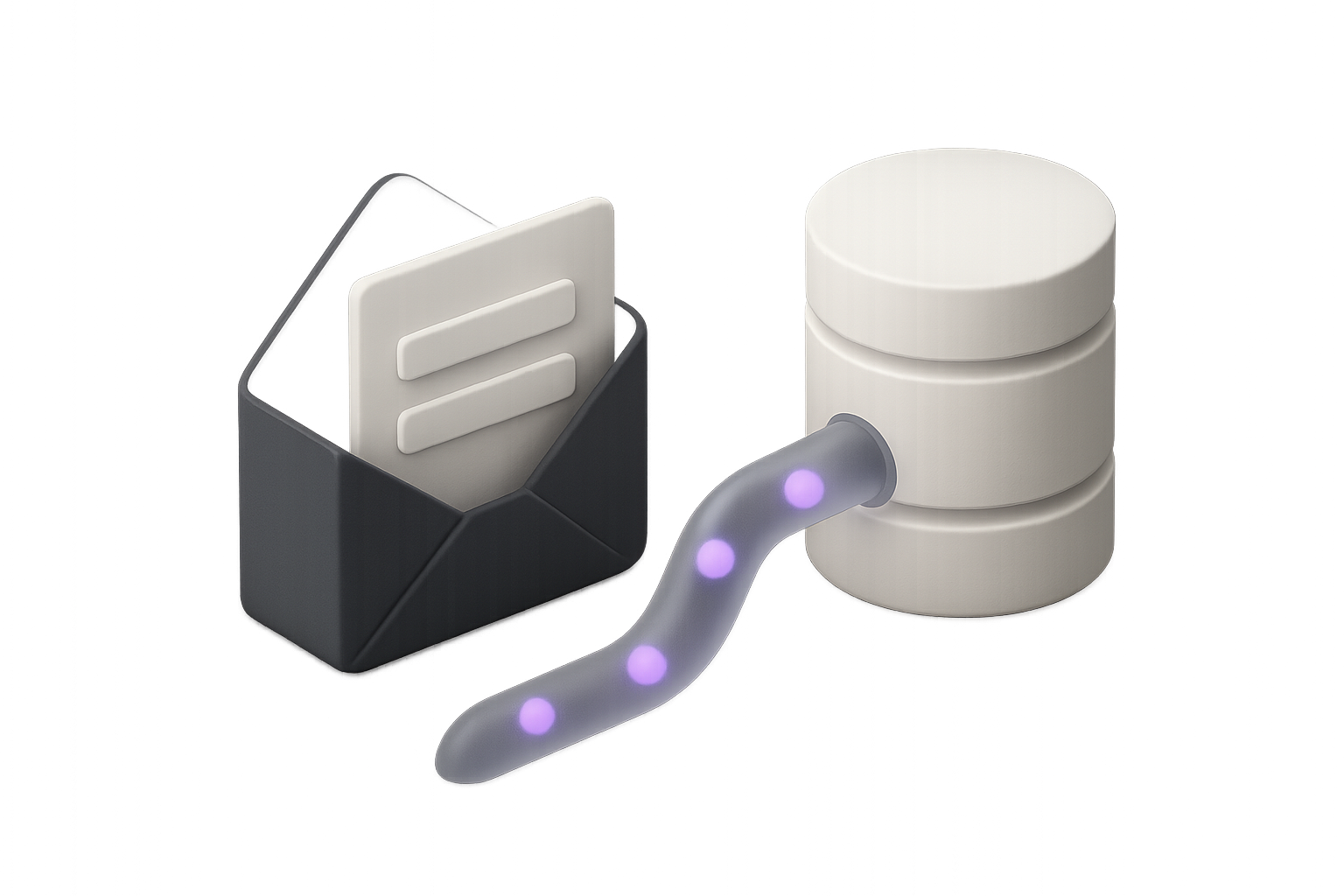
Modern email characteristics rely on real-time connections between email tools and user databases. By integrating platforms like Supabase or Postgres, brands eliminate delays and ensure that every message reflects the latest user activity.
This seamless sync means emails can react instantly to actions—such as a new subscription or a missed payment—improving both accuracy and relevance. Real-time integration also supports advanced personalization, which is a defining feature of effective email characteristics today.
A simple table to compare:
| Traditional Email | Real-Time Triggered Email |
|---|---|
| Sent in batches | Sent instantly per event |
| Generic timing | Contextual, timely |
| Less relevant | Highly personalized |
Multi-Channel Messaging: Email + WhatsApp
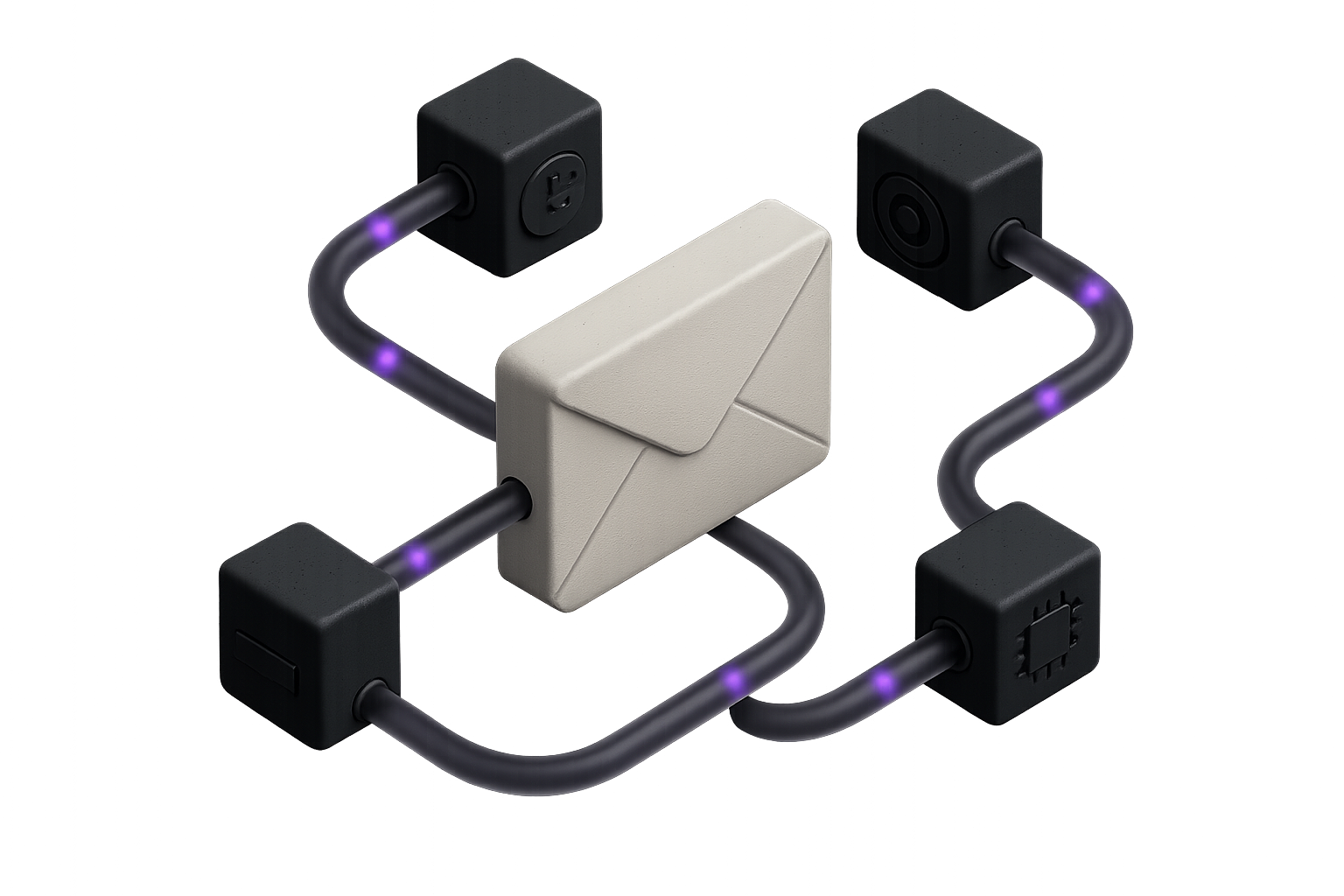
Combining email and WhatsApp brings new flexibility to email characteristics, meeting users on their preferred platforms. This multi-channel strategy increases the chances of your message being seen and acted upon.
For example, a customer might receive an order confirmation via email, followed by a delivery update on WhatsApp. This unified approach ensures consistent messaging and a better user experience. As users expect more from brands, evolving email characteristics must include seamless cross-channel communication.
Lifecycle Messaging with Minimo
Minimo empowers SaaS and AI-native teams to leverage cutting-edge email characteristics through automation and real-time triggers. With Minimo, you can automate lifecycle emails and WhatsApp flows, all triggered directly from Supabase or Postgres events.
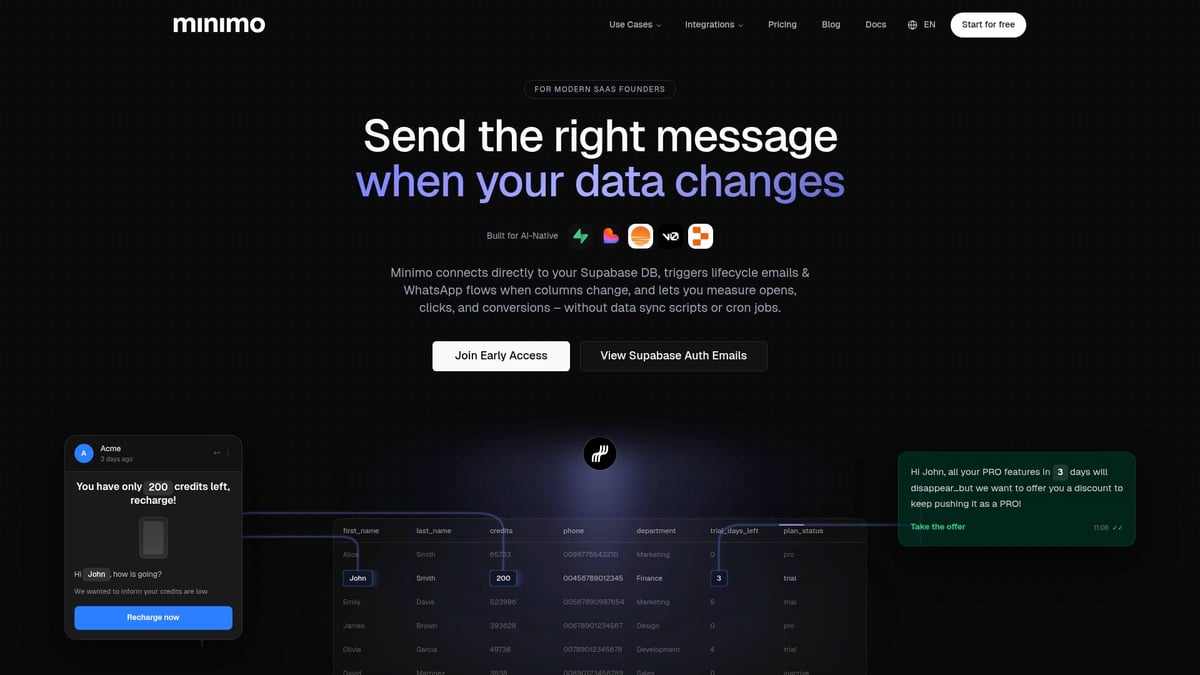
The no-code setup and visual workflow builder make it easy to launch and customize campaigns. Branded templates and real-time analytics help refine email characteristics for every stage of the customer journey. Growth teams can iterate quickly, driving engagement and results through agile, data-driven strategies.
Overcoming Common Email Marketing Challenges in 2026
Navigating the ever-changing world of email marketing in 2026 requires a proactive approach. Marketers face increasing obstacles, from crowded inboxes to tighter privacy regulations. To ensure your email characteristics remain effective, addressing these challenges head-on is vital.
Combatting Declining Engagement Rates
As inboxes fill faster, engaging your audience becomes more difficult. Short attention spans mean marketers must focus on email characteristics that capture interest quickly. Use hyper-personalized content, relevant subject lines, and value-driven messaging.
Practical strategies include:
- Running re-engagement campaigns for inactive subscribers
- Segmenting lists to deliver tailored offers
- Analyzing past user behaviors to refine timing
Testing and iteration are key. Review open and click rates regularly to identify what resonates. Remember, the right email characteristics can revive dormant contacts and boost overall engagement.
Solving Deliverability and Spam Issues
Deliverability remains a core element of successful email characteristics. Even the best content fails if it lands in the spam folder. Maintain sender reputation by cleaning lists, authenticating domains, and avoiding spammy language.
Follow these best practices:
- Use double opt-in to confirm genuine subscribers
- Monitor blacklists and feedback loops
- Keep your authentication protocols updated
For more detailed troubleshooting, see Troubleshooting email deliverability. Consistency in these areas ensures your email characteristics help messages reach their destination.
Managing Increased Privacy and Compliance Demands
Regulations evolve quickly, making compliance a defining part of email characteristics in 2026. Transparent opt-in processes and clear privacy policies are non-negotiable. Users expect control over their data and communications.
Key actions include:
- Implementing double opt-in and consent management
- Offering granular subscription preferences
- Clearly stating your data usage policies
Stay current with best practices by reviewing Email consent best practices. Adhering to these standards builds trust and strengthens your email characteristics for long-term success.
Keeping Up with Technology and User Trends
Technology and user behaviors shift rapidly, so adaptability is crucial. Modern email characteristics now rely on AI-driven optimization, real-time analytics, and cross-channel strategies.
To stay ahead:
- Continuously educate your team on new tools
- Experiment with automation and personalization features
- Monitor industry trends and user feedback
Adopting innovative solutions ensures your email characteristics remain relevant and effective, even as the digital landscape evolves.<br><br>As you look ahead to mastering email in 2026, remember how important it is to combine personalization, real time automation, and seamless integration with your existing tools. You want to send the right message at the right moment without extra scripts or manual syncing. With Minimo, you can connect directly to your Supabase or Postgres database, trigger emails or WhatsApp flows based on live user events, and measure engagement—all without the usual technical hurdles. If you’re ready to put these essential characteristics into action and stay ahead of the curve, Get started for free.