Did you know that over 333 billion emails are sent every day worldwide, making email more vital than ever in 2026? Mastering all types of emails is now essential for standing out and achieving success in both personal and professional life. This guide will demystify the 9 essential all types of emails every modern communicator must know to navigate the digital era confidently.
From welcome messages to re-engagement campaigns, each email type serves a unique role in building relationships, driving results, and shaping your digital presence. Ready to elevate your communication? Read on to discover the strategies and value behind each email type.
The Evolving Role of Email in 2026
Email continues to be an indispensable pillar of digital communication in 2026, holding steady even as instant messaging and collaboration platforms surge in popularity. With an estimated 4.7 billion users worldwide and over 333 billion emails sent every day, the scale of activity is staggering. According to Email Marketing Statistics 2025, this global reach ensures that all types of emails remain a primary channel for both personal and professional interactions.
Advancements in artificial intelligence and automation are reshaping the landscape, making every message more personal and context-aware. AI-driven tools now enable senders to tailor content dynamically, optimizing timing and relevance for each recipient. This shift means all types of emails, from transactional notifications to promotional updates, can be hyper-targeted to individual user behaviors and preferences, leading to higher engagement and retention.
As email technology evolves, businesses and individuals are adopting interactive elements and dynamic content to boost response rates. Features such as embedded polls, real-time inventory updates, and visually rich layouts are becoming standard in all types of emails. However, these innovations also introduce new challenges. Managing inbox overload, navigating advanced spam filters, and adhering to stricter privacy regulations like GDPR and CCPA require careful strategy and compliance.
Understanding all types of emails is now more critical than ever for success in 2026. For organizations, mastering each email category means stronger customer relationships and better marketing outcomes. For individuals, it ensures clear, effective communication in an increasingly crowded digital space. By staying informed and leveraging new capabilities, everyone can turn the evolving email landscape to their advantage.
9 Essential All Types of Emails You Need to Know in 2026
Mastering all types of emails is crucial for success in 2026. Each type serves a unique function, from building trust to driving conversions. Understanding their differences will help you optimize communication, engagement, and results. Let us explore the nine essential all types of emails every professional should know.
1. [Welcome Emails]
Welcome emails are the digital handshake of all types of emails. They greet new subscribers or users, set expectations, and lay the foundation for a lasting relationship.
Key elements of effective welcome emails include:
- Personalization that uses the recipient’s name and relevant details
- A compelling introduction to your brand’s story and mission
- Clear next steps, such as account setup or exploring features
Top brands have seen open rates above 80% for welcome emails, making them a high-impact touchpoint. In 2026, interactive content like embedded videos and AI-driven product suggestions are common. These features increase engagement and help users feel valued from the start.
For onboarding and user engagement, welcome emails are essential. Avoid generic copy, unclear calls to action, or sending the email too late after signup. All types of emails benefit from a strong first impression, but none more so than the welcome email.
2. [Transactional Emails]
Transactional emails are the backbone of trust among all types of emails. They confirm actions such as purchases, password resets, and shipping updates.
These messages must comply with legal requirements, including CAN-SPAM and GDPR. They should contain only information pertinent to the transaction, avoiding excessive marketing.
Best practices in 2026 include:
- Real-time delivery triggered by user actions
- Enhanced security, like two-factor authentication links
- Clean, mobile-optimized layouts
Transactional emails often achieve higher open rates than promotional ones, sometimes exceeding 85%. Subtle upselling, such as recommending related products, can be effective if handled delicately.
Avoid clutter, confusing layouts, or mixing marketing with transactional content. Among all types of emails, transactional messages are vital for building reliability and customer confidence.
3. [Promotional Emails]
Promotional emails drive revenue and excitement among all types of emails. They announce sales, special offers, and product launches directly to your audience.
AI-powered personalization is a must in 2026. Use data segmentation to tailor offers and recommendations, maximizing relevance. Visual trends favor rich imagery, interactive CTAs, and mobile-first design.
Balance is key. Too many promotional emails can cause fatigue and unsubscribes. Leading brands test frequency and content, optimizing for engagement and conversions.
A successful example: a global retailer’s flash sale campaign resulted in a 30% lift in sales and a 15% rise in click-throughs. Always comply with anti-spam laws and provide clear opt-out options. Mastering all types of emails means knowing how to use promotions strategically.
4. [Newsletter Emails]
Newsletter emails are the relationship-builders of all types of emails. They deliver ongoing value, updates, and curated content to your subscribers.
There are several newsletter types:
- Company news and updates
- Curated industry insights
- Educational resources or tips
A well-structured layout with a mix of content types keeps readers engaged. Schedule newsletters consistently, whether weekly or monthly, to set audience expectations.
Key metrics to monitor include open rates, click rates, and unsubscribe rates. Standout newsletters in 2026 use interactive polls, dynamic content blocks, and personalized reading recommendations.
For all types of emails, newsletters excel at maintaining brand visibility and nurturing loyalty over time.
5. [Lifecycle Emails]
Lifecycle emails are automated messages sent based on user behavior or milestones. They are the orchestrators among all types of emails, nurturing users from signup to renewal.
Examples include onboarding sequences, win-back campaigns, and renewal reminders. These emails increase retention, reduce churn, and raise customer lifetime value.
Best practices for 2026:
- Personalize content and timing using real-time behavioral data
- Integrate with CRM and marketing automation tools
- Use A/B testing to refine copy and design
A SaaS provider saw a 40% reduction in churn after implementing personalized lifecycle emails. For all types of emails, lifecycle messages are essential for guiding users through every stage of their journey.
6. Minimo: Plug-and-Play Lifecycle Email Automation Tool
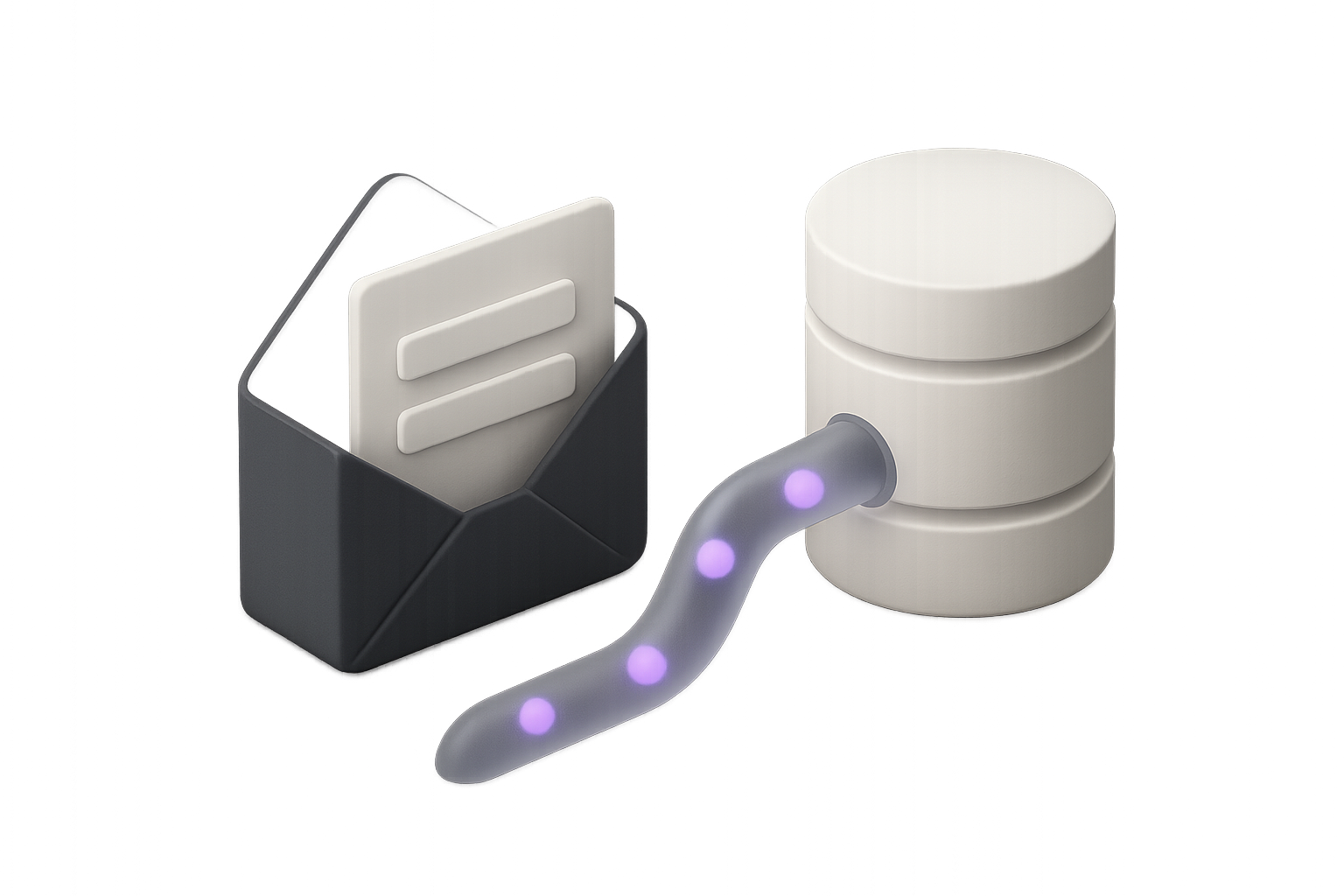
Minimo revolutionizes all types of emails with a modern approach to lifecycle automation. It connects directly to Supabase or Postgres databases, triggering emails based on real-time user actions.
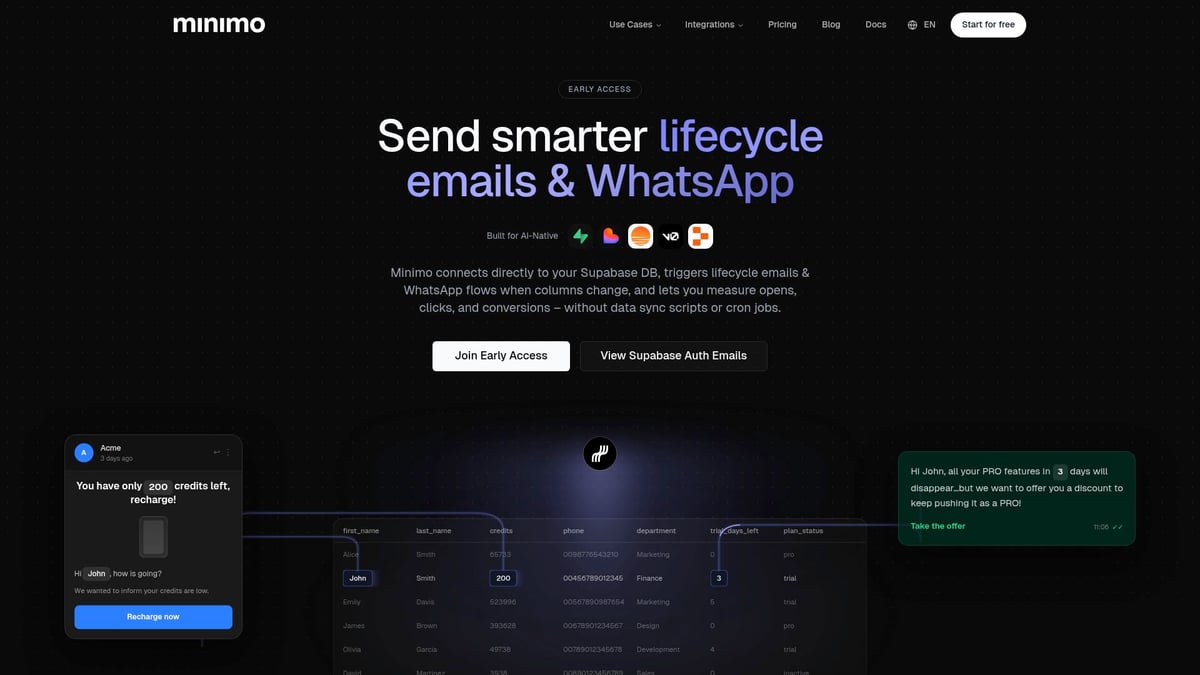
Key features include:
- Visual workflow builder for easy automation setup
- Branded templates and unified inbox for email and WhatsApp
- In-depth analytics for performance tracking
Minimo stands out for its no-code setup and rapid deployment. It is ideal for B2B SaaS, agencies, startups, and multi-tenant platforms, especially those in the EU or focused on mobile-first experiences.
Pricing includes early access offers, a free trial, and white-glove onboarding. Unlike traditional tools, Minimo uses direct database triggers, eliminating the need for data sync scripts and emphasizing privacy-first design. For all types of emails, Minimo delivers seamless, scalable, and secure automation.
7. [Follow-Up Emails]
Follow-up emails are the connectors in all types of emails, keeping conversations alive and nurturing leads or relationships.
They can confirm meetings, check in post-purchase, or provide reminders. In 2026, AI-generated follow-ups and smart reminders ensure timely, personalized outreach.
Best practices:
- Time follow-ups based on user engagement signals
- Personalize each message with relevant context or next steps
- Limit frequency to avoid overwhelming recipients
Effective follow-up sequences can double response rates in sales and support. Use analytics to refine timing and content. For all types of emails, follow-ups sustain momentum and drive results.
8. [Abandoned Cart Emails]
Abandoned cart emails are the revenue-recovery engines of all types of emails, especially in e-commerce. They remind shoppers of left-behind items and encourage completion of purchases.
Psychological triggers such as urgency, scarcity, and personalization are powerful motivators. Subject lines like “Your items are waiting” or “Limited stock left” boost open rates.
Automation workflows send reminders at optimal intervals—often one hour, 24 hours, and 48 hours after cart abandonment. A leading retailer recovered 15% of lost revenue with a three-part abandoned cart sequence.
Compliance with privacy laws and clear opt-out options are essential. For all types of emails, abandoned cart messages are critical for maximizing conversions.
9. [Re-Engagement Emails]
Re-engagement emails are the revivalists among all types of emails. They target inactive subscribers and dormant customers to rekindle interest.
Common triggers include long periods of inactivity or unresponsiveness. Segmentation helps tailor content and offers for different user groups.
Effective strategies:
- Special discounts or exclusive content
- Feedback surveys to understand inactivity
- Updates about new features or products
Track open, click, and reactivation rates to measure success. A/B testing subject lines and incentives can reveal what resonates. For all types of emails, re-engagement campaigns breathe new life into your audience and extend customer value.
Best Practices for Crafting Effective Emails in 2026
Mastering all types of emails in 2026 demands a blend of personalization, technology, and compliance. As the digital landscape evolves, so do user expectations and regulatory requirements. To stay ahead, follow these best practices for crafting emails that engage, convert, and build long-term relationships.
Personalization and Dynamic Content
Effective email communication starts with personalization. Tailor messages to each recipient’s preferences, behaviors, and lifecycle stage. Use dynamic content blocks to display relevant offers or information, ensuring every message feels unique.
Segmenting your audience allows you to send targeted content that resonates. This approach not only boosts open rates but also strengthens trust across all types of emails.
AI-Driven Optimization for All Types of Emails
Artificial intelligence is transforming how all types of emails are crafted and delivered. AI tools analyze user data to suggest optimal send times, generate compelling subject lines, and recommend personalized content. By leveraging these insights, you can increase engagement and minimize unsubscribes.
Automation platforms streamline workflows, ensuring emails trigger at the right moment based on real-time actions. This level of precision is essential for lifecycle, transactional, and promotional messages.
Mobile-First and Accessible Design
In 2026, more than half of emails are opened on mobile devices. Prioritize mobile-first layouts with responsive templates, concise text, and large, tappable calls to action. Accessibility is equally crucial. Use high-contrast colors, clear fonts, and alt text for images to make your emails usable for everyone.
Interactive elements—like polls, carousels, or live countdowns—drive higher engagement. For more on emerging design trends and strategies, see Email Marketing Trends 2026.
Compliance with Evolving Regulations
Navigating privacy laws is non-negotiable. Ensure your emails comply with GDPR, CCPA, and CAN-SPAM by obtaining consent, providing clear unsubscribe options, and safeguarding user data. Regularly review regulatory updates to avoid penalties and maintain trust.
Include transparent privacy notices and easy-to-navigate preference centers in all types of emails.
Actionable Tips for Better Results
- Keep subject lines concise and relevant.
- Use strong, singular calls to action.
- A/B test elements like content, visuals, and timing.
- Automate repetitive workflows for efficiency. For seamless automation across all types of emails, explore the Zapier automation integration for step-by-step guidance.
Monitor key metrics such as open, click, and conversion rates to refine your strategy.
Continuous Improvement and Analytics
Continuous improvement is vital for success with all types of emails. Leverage analytics platforms to track performance and gather feedback. Use these insights to iterate on content, design, and timing.
Brands that review and adapt their email practices consistently outperform competitors in engagement and ROI.
The Future of Email Communication: Trends & Predictions
Email communication is evolving rapidly as we move toward 2026. The landscape for all types of emails is being shaped by new technologies and changing user expectations. Businesses and individuals must adapt to these shifts to maintain effective digital communication.
Emerging Technologies Shaping Email
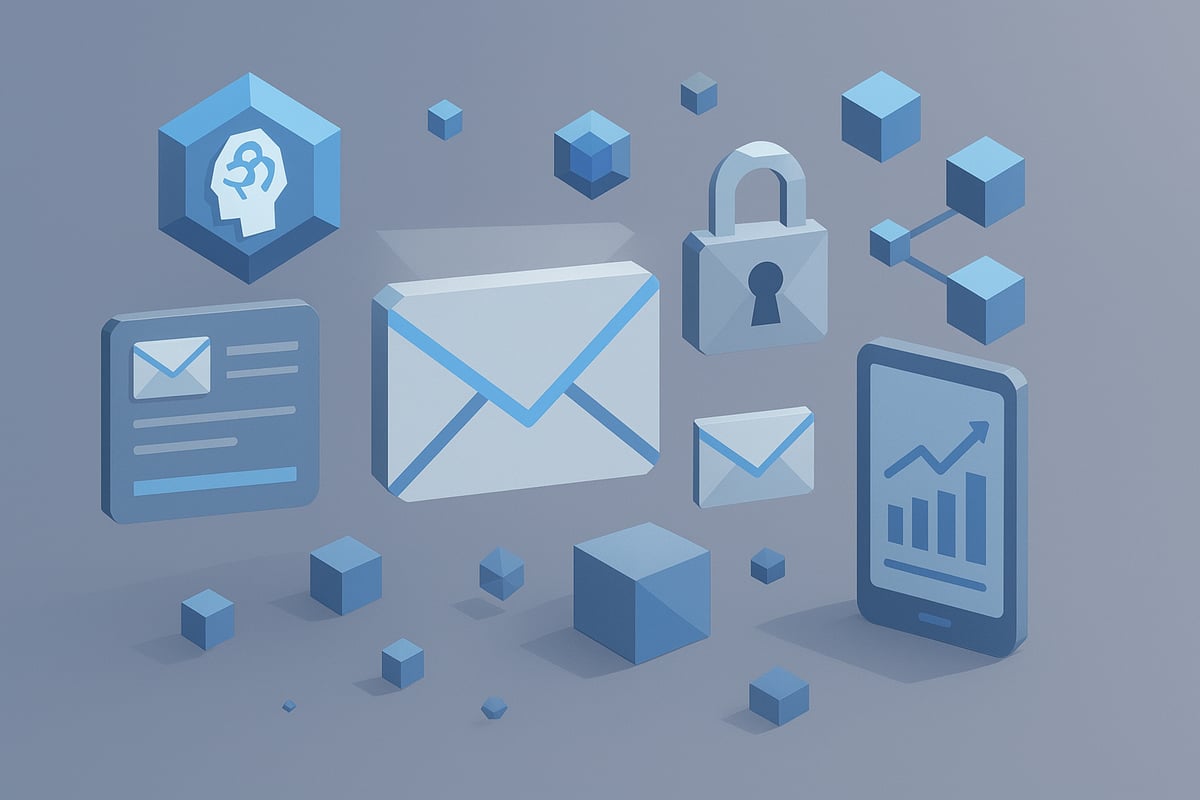
Several technologies are transforming all types of emails. AMP for email is introducing interactive content directly within inboxes, allowing recipients to RSVP, shop, or fill out forms without leaving their email client. Blockchain is enhancing email security, offering tamper-proof records and improved authentication to combat phishing attempts. AI-powered content creation tools are enabling hyper-personalized messages, helping brands tailor each interaction for maximum impact.
Here's a quick comparison of key technologies:
| Technology | Impact on Emails | 2026 Relevance |
|---|---|---|
| AMP | Interactive, dynamic content | Higher engagement rates |
| Blockchain | Security, authentication | Trust and compliance |
| AI Creation | Personalization, automation | Improved conversion rates |
Integration and User Expectations
The future of all types of emails is also defined by deeper integration with digital channels. Email platforms are connecting seamlessly with CRMs, messaging apps, and social media, creating unified communication ecosystems. Users in 2026 expect emails to be relevant, immediate, and privacy-centric. With privacy laws tightening, compliance and consent management are at the forefront of email strategy.
For a broader perspective on what’s next, the Email Marketing Trends 2026 resource provides valuable insights on upcoming innovations and best practices.
Automation, Real-Time Data, and Actionable Insights
Automation is now essential for all types of emails. Real-time data triggers ensure timely, context-driven messages, boosting engagement and retention. Marketers are leveraging AI to optimize send times, segment audiences, and refine subject lines. Future-proofing your email strategy means embracing continuous testing, adapting to new regulations, and prioritizing user experience.
Staying ahead requires ongoing learning and agility. By understanding these trends and integrating smart tools, you can ensure your email communication remains effective and compliant in 2026 and beyond.<br><br>As we've explored, understanding the nine essential types of emails in 2026 is key to building better relationships and driving real engagement. If you want to put these strategies into action without the hassle of complex setups or manual data syncing, there's no better time to try a smarter approach. With Minimo, you can seamlessly connect your database and automate powerful, personalized emails—saving you time and maximizing your impact. Ready to take your email communication to the next level? Get started for free and experience just how easy and effective modern email automation can be.