Imagine opening your inbox to find emails instantly organized, securely delivered, and powered by intelligent automation. Welcome to the future—2026, where email how it works has evolved beyond basic messaging. This guide is your essential resource for understanding every stage of the email lifecycle, from the technology behind sending and receiving to the latest in security and smart automation. Ready to unlock best practices and see what’s next for your communication toolbox? Dive in as we explore the infrastructure, processes, and innovations that define email in 2026.
The Evolution of Email: From 1971 to 2026
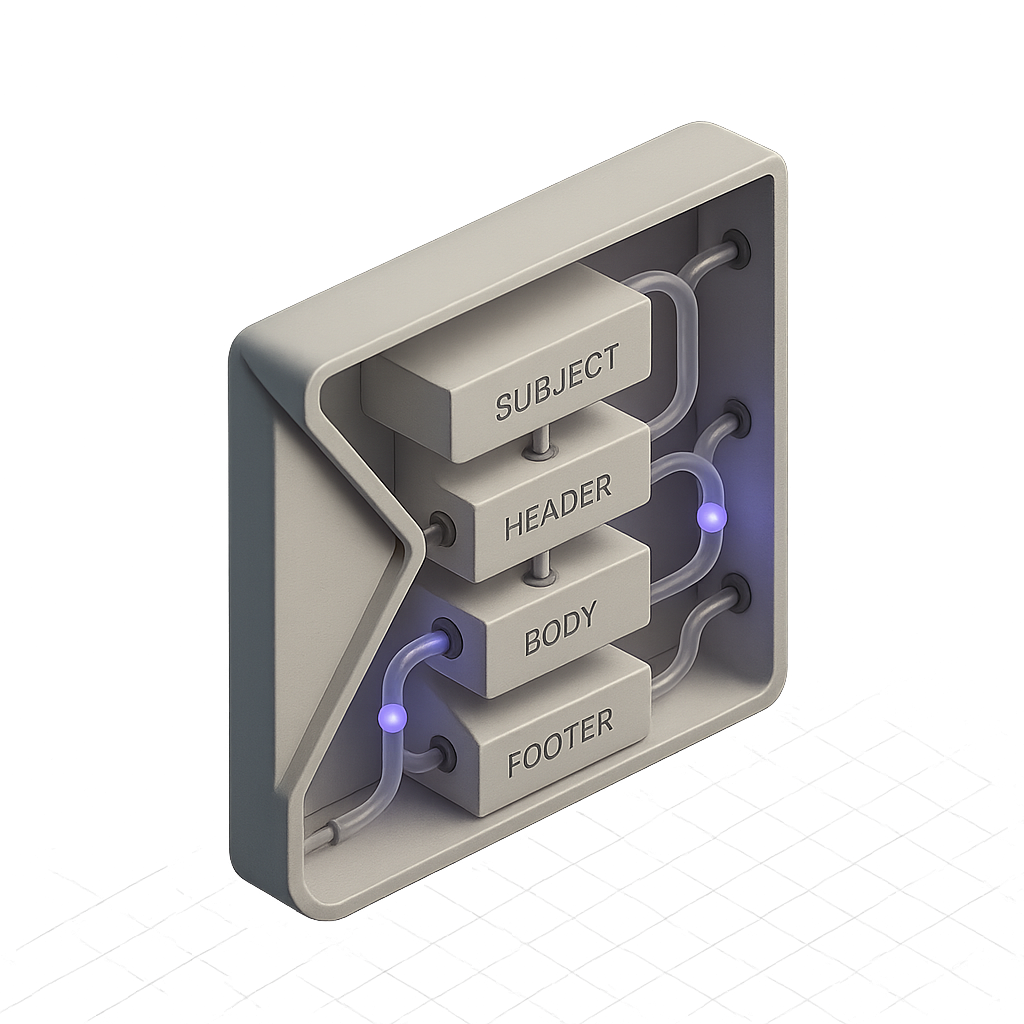
The story of email how it works is a journey through decades of innovation and adaptation. Email has transformed from a simple experiment to a core pillar of global communication. To truly understand email how it works today, we need to look back at its origins and major turning points.
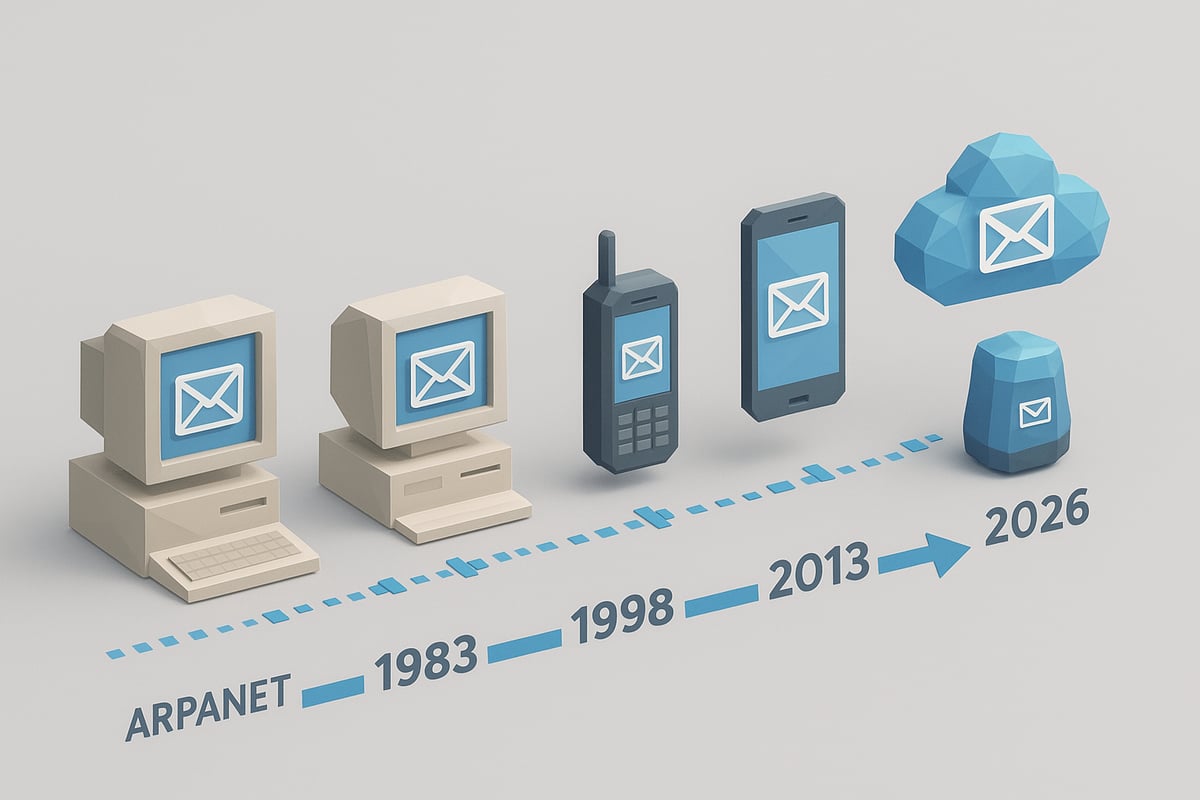
Email’s Early Days and Milestones
Email how it works began in 1971 when Ray Tomlinson sent the first message over ARPANET. This experiment introduced the "@" symbol, setting a standard for email addressing. Soon after, developers created essential protocols like SMTP for sending, POP3, and IMAP for retrieving messages.
These protocols formed the backbone of early email systems, enabling basic but reliable exchanges. As businesses and individuals adopted email, its importance grew rapidly. The foundations laid in these years still influence email characteristics and protocols today.
Key Technological Shifts in the 2000s and 2010s
The 2000s brought a wave of change to email how it works. Webmail platforms like Gmail and Outlook made email accessible from any browser, removing device barriers. The rise of smartphones led to mobile email apps, giving users instant access and push notifications.
Advanced spam filters emerged to combat rising threats, using algorithms to block unwanted messages. These shifts made email more convenient, secure, and adaptable, setting the stage for smarter, more integrated experiences.
The Email Renaissance: 2020s and Beyond
Entering the 2020s, email how it works was redefined by artificial intelligence. AI-powered inbox management automatically sorts and prioritizes messages, reducing clutter. Deep integration with cloud services and productivity tools turned email into a collaborative workspace.
Privacy and compliance became central, with encryption standards and regulations like GDPR and CCPA shaping how data is handled. The modern email ecosystem emphasizes user control, security, and seamless workflows, reflecting the needs of a digital-first world.
Email Usage Statistics in 2026
By 2026, email how it works is more relevant than ever. Over 4.5 billion people use email daily, with more than 360 billion messages sent each day. Engagement trends show higher open rates, thanks to smart notifications and personalized content.
A summary of key 2026 stats:
| Metric | Value |
|---|---|
| Daily Users | 4.5+ billion |
| Emails Sent/Day | 360+ billion |
| Engagement Trends | Rising opens |
These numbers highlight the enduring role of email how it works in global communication, driven by continuous innovation and user trust.
How Email Works: The Technical Journey
Understanding email how it works in 2026 requires following every step, from composing a message to the moment it lands in an inbox. Each stage has evolved with new technologies, security protocols, and user-friendly features. Let’s walk through the technical journey of a modern email.
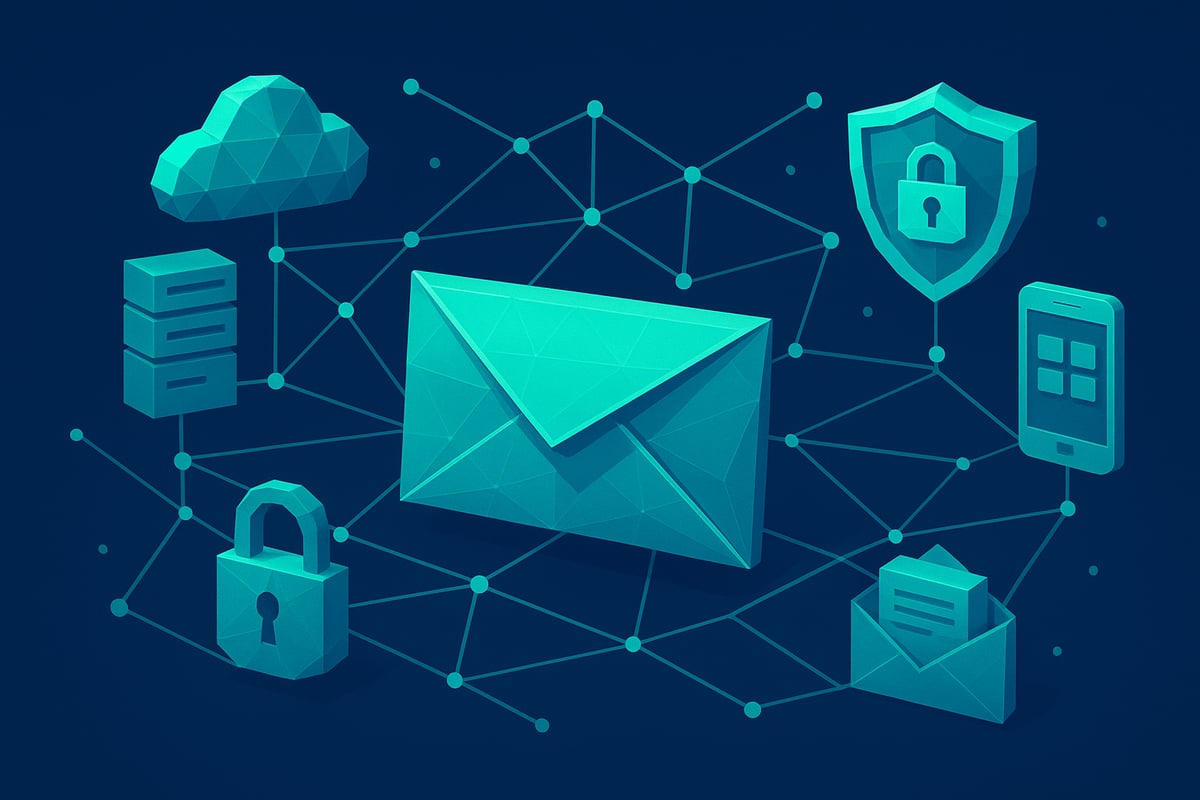
Step 1: Composing and Sending an Email
The journey of email how it works begins when a user writes a message using an updated email client. In 2026, composing is more intuitive than ever. Users can drag and drop files, embed smart attachments, and use real-time formatting tools. Modern interfaces support instant translation and accessibility features.
The structure of an email includes headers, body, and often metadata, all managed seamlessly by today’s clients. For a deeper look at what’s inside each message, see Information in an email message. Effortless composing sets the stage for the next technical steps.
Step 2: Outbound Transmission—SMTP in 2026
Once sent, email how it works relies on the Simple Mail Transfer Protocol (SMTP) to transmit the message. SMTP servers now enforce robust encryption like STARTTLS and MTA-STS, ensuring messages are secure in transit. These servers instantly check sender reputation and compliance before forwarding emails.
A key advancement is real-time delivery status tracking. Users get immediate feedback if a message is delayed or rejected, making troubleshooting straightforward. SMTP’s evolution keeps email delivery fast and dependable.
Step 3: Routing, Relays, and Anti-Spam Checks
The next phase in email how it works involves traversing a global network of relays. As an email moves, it’s routed using DNS and MX records, which determine the correct destination server. Each relay inspects the message, applying anti-spam checks and verifying sender reputation.
Advanced filtering systems use AI to spot suspicious content or patterns. Legitimate emails pass through seamlessly, while spam or malicious messages are quarantined. This stage is essential for protecting users and maintaining inbox integrity.
Step 4: Receiving and Storing Email—IMAP & POP3
When the message reaches its target server, email how it works depends on IMAP or POP3 for retrieval. In 2026, IMAP dominates due to its cloud-based synchronization, allowing users to access the same inbox across multiple devices. POP3, while still used, downloads messages to a single device.
| Protocol | Storage | Synchronization | Usage Scenario |
|---|---|---|---|
| IMAP | Cloud | Yes | Multi-device |
| POP3 | Local | No | Single-device |
Cloud storage ensures messages are backed up, searchable, and always available. Enhanced security measures protect data at rest.
Step 5: User Access and Modern Email Clients
The final stage of email how it works is user access. In 2026, webmail, desktop, and mobile clients have merged advanced features. AI-driven sorting organizes messages by priority, while smart replies suggest context-aware responses. Calendar and task integration streamline workflows.
Modern clients offer robust accessibility, supporting voice commands and multilingual interfaces. Users can customize layouts and receive notifications across all devices, making email management effortless and efficient.
Example: A Day in the Life of an Email (2026)
Imagine an email how it works scenario: In the morning, a user sends a contract to a colleague overseas. The message is instantly translated, passes encrypted through secure SMTP servers, and clears anti-spam checks. The recipient’s inbox sorts it as high priority, attaches a smart signature, and syncs it across devices.
Later, the recipient reviews the contract, schedules a follow-up meeting with a single click, and the entire interaction is logged for analytics. This seamless flow showcases the advanced lifecycle of email in 2026, blending speed, security, and intelligence.
Email Security and Privacy in 2026
In 2026, understanding email how it works means grasping not only its technical journey but also the advanced security and privacy landscape that now defines modern email communication. As threats evolve, so do the tools and standards protecting every message sent and received.
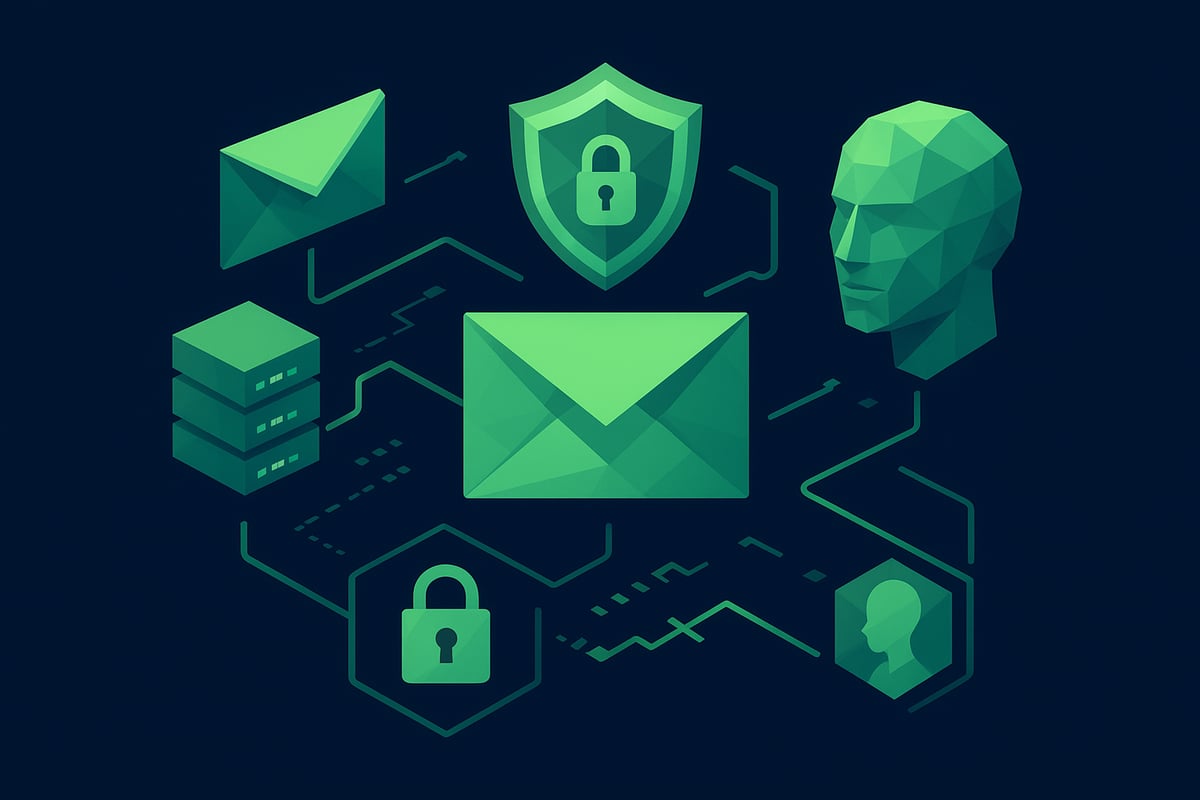
Encryption and Data Protection Standards
Encryption is at the core of email how it works in 2026. Modern protocols like TLS 1.3+, S/MIME, and PGP ensure that messages are protected both in transit and at rest. End-to-end encryption is now standard, making intercepted emails unreadable without the proper keys.
Zero-trust security models have become widely adopted. These models require continuous verification of users and devices before allowing access to email content. For technical teams, a typical configuration might look like:
TLS: enabled
S/MIME: enforced
ZeroTrust: active
This layered approach ensures that every step in email how it works is protected from unauthorized access.
Authentication and Anti-Phishing Technologies
Authentication is essential to email how it works securely. Technologies like DMARC, DKIM, and SPF now see near-universal deployment, verifying sender identities and preventing impersonation.
AI-powered systems actively analyze message patterns and content to detect phishing attempts in real-time. When a suspicious email is flagged, users receive instant alerts and guidance. This proactive stance has dramatically reduced successful phishing incidents.
By embedding strong authentication into the core of email how it works, organizations close the door on most spoofing and social engineering attacks.
Regulatory Compliance and Data Sovereignty
A critical part of email how it works in 2026 is staying compliant with global privacy laws like GDPR and CCPA. Organizations must ensure user data is handled transparently, with explicit consent for collection and processing.
Data localization is increasingly important. Many companies store email data within the same legal jurisdiction as their users, often dictated by regional regulations. Compliance audits now routinely check for:
- Data residency enforcement
- Consent records
- Secure deletion practices
Adhering to these standards is now a non-negotiable aspect of email how it works for enterprises worldwide.
User-Controlled Privacy Features
User empowerment is a defining trend in email how it works today. Modern platforms offer features such as:
- Self-destructing emails
- Confidential mode with restricted forwarding
- Consent management dashboards
- Tracking pixel controls
These tools put privacy decisions directly in the hands of users, allowing them to manage who can access their emails and for how long. As a result, trust in the email ecosystem continues to grow.
Email Security Statistics and Trends
Understanding email how it works requires examining the latest statistics and trends. In 2025, 94% of malware was delivered via email, but AI-driven filtering led to a 20% drop in phishing attacks. The push for DMARC enforcement and new threat intelligence tools are shaping the future.
| Year | Malware via Email | Phishing Reduction | Compliance Adoption |
|---|---|---|---|
| 2025 | 94% | -20% | 90%+ |
For an in-depth look at these trends and the technologies driving them, see Email security trends 2026.
Real-World Examples of Security Breaches and Solutions
Several high-profile security breaches have highlighted the importance of robust email how it works strategies. For example, a global retailer suffered a breach due to weak SPF records, resulting in fraudulent invoices. Swift implementation of DMARC, regular user training, and AI-based anomaly detection prevented further incidents.
Lessons learned include:
- Regularly update authentication protocols
- Educate users on phishing red flags
- Continuously monitor for suspicious activity
By learning from these cases, organizations reinforce every layer of email how it works, building resilience against future threats.
Automation, AI, and the Modern Email Ecosystem
The landscape of email how it works has transformed dramatically by 2026. Automation and artificial intelligence are now at the core of every modern inbox. These technologies streamline communication, enhance organization, and deliver insights that drive productivity. Let’s explore how each component is shaping the email ecosystem.
AI-Powered Email Management
AI has revolutionized email how it works by bringing intelligence to every message. Smart algorithms now sort emails based on urgency, sender, or topic, reducing clutter and surfacing what matters most.
Features like automated replies, predictive suggestions, and contextual reminders save users time. Personalized content recommendations ensure that relevant information is always at your fingertips. The result is a proactive inbox that adapts to your preferences and work style.
Workflow Automation and Integration
Automation is at the heart of how email how it works in 2026. Today’s systems handle routine tasks such as follow-ups, meeting reminders, and scheduling with minimal user input.
Integration with CRM, calendar, and productivity tools enables seamless transitions between communication and action. Automated workflows ensure no message falls through the cracks, improving response rates and team collaboration.
Advanced Analytics and User Insights
Understanding email how it works now includes harnessing the power of analytics. Real-time tracking of opens, clicks, and conversions provides actionable data for individuals and organizations.
Predictive analytics help optimize engagement by identifying the best times to send messages and the content that resonates most. These insights drive smarter decision-making and more effective communication strategies.
Database-Driven Email Automation
Database-driven automation is a game changer for email how it works. Triggered emails respond instantly to user actions or database changes, powering onboarding, reactivation, and transactional flows.
For a deeper dive into how automation supports various use cases, see different types of emails explained. This approach enables precise targeting and reduces manual intervention, ensuring timely, relevant communication.
Email Marketing in 2026: Trends and Tools
Hyper-personalization defines email how it works for marketing in 2026. Dynamic content adapts to each recipient, and campaigns span multiple channels, including email, WhatsApp, and SMS.
Marketers leverage automation for segmentation, delivery timing, and cross-channel orchestration. These advancements boost engagement, drive conversions, and keep brands top of mind in a crowded digital landscape.
How Minimo Enables Lifecycle Email Automation
Minimo has redefined email how it works for SaaS teams. Its plug-and-play CRM connects directly to Supabase or Postgres, enabling real-time, database-triggered emails and WhatsApp flows without extra scripts or cron jobs.
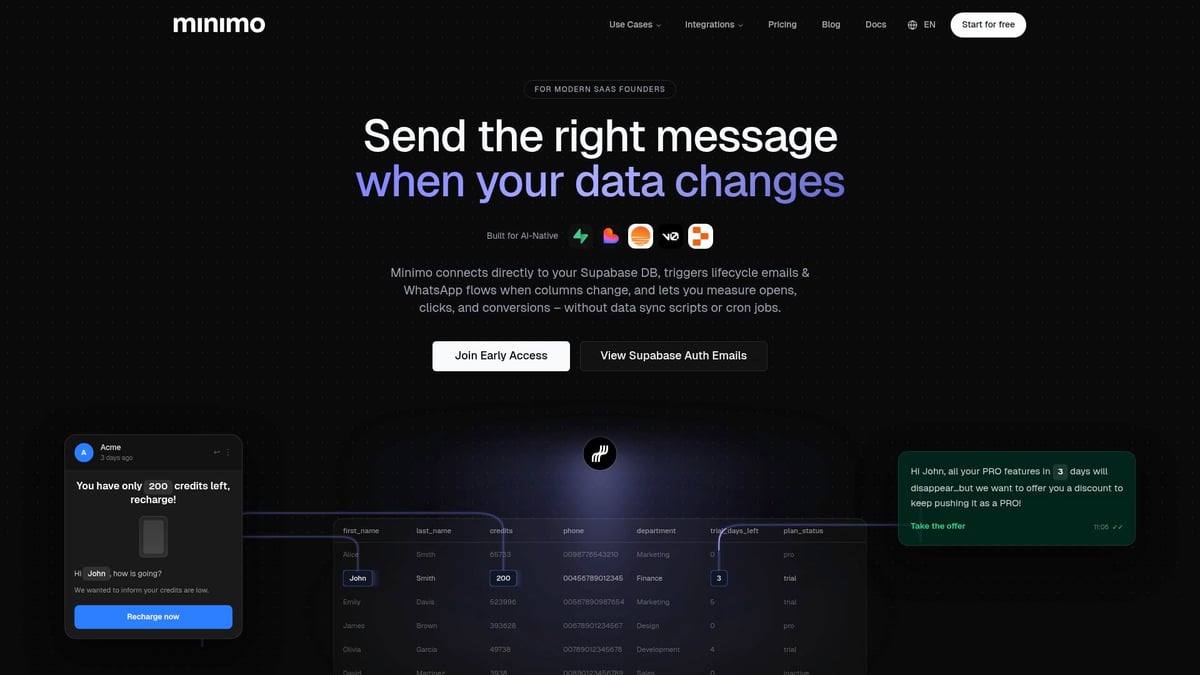
The visual workflow builder makes multi-channel messaging intuitive. Teams benefit from fully branded, customizable templates, unified analytics, and GDPR-compliant communications. Minimo empowers modern businesses to automate every stage of the customer lifecycle with speed and precision.
The Future of Email: Innovations and Predictions
The future of email is rapidly unfolding, revealing a landscape where innovation and adaptability define communication. As businesses and individuals seek smarter, more secure solutions, understanding email how it works becomes essential for navigating what lies ahead. Let us explore the key forces shaping the next generation of email.
<div data-youtube-video> <iframe src="https://www.youtube.com/embed/ELioaGg4WOY" frameborder="0" allowfullscreen data-type="youtube" data-youtube-video-id="ELioaGg4WOY" ></iframe> </div>Decentralized and Blockchain-Based Email Protocols
Decentralized email protocols are redefining email how it works by removing reliance on central servers. Blockchain-based systems offer tamper-proof communication, where each message is cryptographically verified and stored across distributed nodes. This approach strengthens security, making unauthorized access and data breaches far less likely.
By decentralizing identity and authentication, users gain more control over their digital presence. These protocols enable seamless, secure interactions, even across different platforms. The transparency and immutability of blockchain technology ensure that email records cannot be altered retroactively, supporting compliance and trust.
Innovation in this area is accelerating, with startups and open-source projects leading the charge. As adoption grows, decentralized email may soon become a new standard for organizations prioritizing privacy and resilience.
The Role of Email in a Multi-Channel World
In 2026, email how it works intersects with a broader communications ecosystem. Email now integrates with chat, SMS, and collaborative platforms, enabling unified inboxes and streamlined workflows. Users can manage conversations across channels without switching apps, reducing friction and improving productivity.
Multi-channel strategies allow businesses to reach customers where they are most responsive. Automated workflows trigger emails, instant messages, or notifications based on user behavior or preferences. This synergy ensures that critical information is never missed and that communication feels personal and timely.
The evolution toward unified messaging platforms highlights email’s enduring relevance, even as new channels emerge. Organizations that embrace this integration will remain agile in a rapidly changing digital landscape.
The Rise of Voice, Video, and Rich Media in Email
Modern email how it works includes seamless support for rich media. In 2026, embedded videos, audio snippets, and interactive elements are commonplace within email messages. These enhancements drive engagement and convey information more effectively than plain text alone.
Accessibility features have also evolved. Voice-to-text and text-to-voice capabilities allow users to interact with emails hands-free, while real-time translation ensures global reach. Interactive forms and polls embedded directly in emails boost participation and simplify feedback collection.
This rich media revolution is transforming email into a dynamic platform for collaboration, marketing, and personal communication. As these features become standard, user expectations for email will continue to rise.
AI-Generated Content and Smart Automation
Artificial intelligence is fundamentally changing email how it works by powering automated content creation and smart segmentation. AI can generate subject lines, optimize copy, and personalize recommendations based on user data, increasing open and response rates.
Advanced AI models are also enhancing security. For example, multi-agent systems leveraging large language models are pushing the boundaries of phishing detection advancements, making it harder for malicious emails to reach inboxes. These tools analyze patterns and context, flagging suspicious messages before they cause harm.
Smart automation orchestrates complex campaigns with minimal manual intervention. From audience segmentation to triggered follow-ups, AI is making email more efficient and impactful than ever.
Sustainability and Green Email Technologies
Sustainability is now a core consideration in how email how it works. Energy-efficient data centers, optimized routing protocols, and eco-friendly infrastructure are reducing the digital carbon footprint of global communications.
Email providers are investing in renewable energy and server virtualization to lower power consumption. Efficient storage and smarter message delivery reduce unnecessary data transfers, further minimizing environmental impact.
These green technologies not only benefit the planet but also appeal to eco-conscious users and organizations. As sustainability becomes a competitive differentiator, expect providers to highlight their environmental commitments.
Predictions: What’s Next for Email in 2030 and Beyond?
Looking ahead, email how it works will continue to evolve in surprising ways. Imagine immersive AR and VR-enabled email experiences, where messages come to life as interactive environments. Digital identity and authentication will likely be anchored to secure, decentralized email systems, providing seamless access to online services.
Further innovations may include:
- Fully autonomous inbox management powered by AI
- Biometric-based email authentication
- Real-time, multi-language video messaging
- Integration with IoT devices for contextual communication
As these advancements unfold, mastering email how it works will remain essential for staying connected and secure in the digital era.<br><br>As you've discovered, email in 2026 is smarter, faster, and more adaptable than ever—especially when powered by real time automation and seamless integration. If you're ready to put these insights into practice and see how database driven emails and multi channel messaging can elevate your user engagement, it's time to explore a modern solution built for the future. With Minimo, you can connect directly to your Supabase or Postgres database, trigger personalized lifecycle emails, and analyze results without extra scripts or complex workflows. Curious to see how effortless it can be? Get started for free