In 2026, the consent email is no longer just a legal requirement. It has become the backbone of building trust and driving results in email marketing. As privacy laws evolve and user expectations rise, mastering this essential touchpoint is critical for every organization.
This comprehensive guide will walk you through the foundations of consent, the latest regulations, and the most effective strategies for crafting high-performing consent emails. You’ll discover actionable techniques, step-by-step instructions, and advanced optimization tips to keep your brand compliant and your audience engaged.
Ready to learn how to turn your consent email process into a driver of trust and deliverability? Let’s dive in and unlock the potential of permission-based marketing for 2026.
Understanding Email Consent in 2026

In 2026, the concept of consent email has evolved from a simple checkbox to a robust, strategic element of digital marketing. As user expectations and privacy laws rise, understanding the different forms and requirements of consent is essential for any organization that relies on email communication.
Defining Consent: Implied vs. Explicit
Consent for email marketing is no longer a one-size-fits-all concept. Implied consent arises from an existing business relationship, such as a recent purchase or a signed contract. For example, if a customer buys a product, you may have implied consent to send them transactional updates.
Explicit consent, on the other hand, is granted when users actively agree, such as ticking a checkbox or completing a double opt-in process. Platforms like HubSpot cite purchases, written agreements, and form submissions as valid sources, but stress that explicit consent is preferred. The best practice for a consent email is to ensure that a verifiable action, not just a lack of opt-out, is recorded.
Why does this matter? Data shows that explicit consent reduces spam complaints and boosts deliverability. In 2026, explicit, documented consent is the gold standard for any consent email strategy.
Regulatory Landscape: Global and Local Requirements
The regulatory environment for consent email is more complex than ever. Organizations must comply with global frameworks like GDPR and CAN-SPAM, as well as evolving regional laws across the EU, US, and APAC. Recent updates in 2026 include stricter enforcement and new standards for consent recordkeeping.
For example, GDPR requires clear communication about data usage and easy opt-out options, while some countries now enforce double opt-in and set expiration periods for consent. HubSpot’s Acceptable Use Policy reflects these changes, and platforms must adapt accordingly.
To stay compliant, marketers should follow best practices for double opt-in and unsubscribe mechanisms, as outlined in the Email Marketing Compliance Best Practices guide. Non-compliance can result in fines up to 4% of global revenue, making legal adherence a strategic priority for every consent email campaign.
| Law/Region | Key Requirement | 2026 Update Example |
|---|---|---|
| GDPR (EU) | Explicit purpose, opt-out | Shorter consent duration |
| CAN-SPAM (US) | Unsubscribe, clear ID | Stronger recordkeeping |
| APAC | Local opt-in rules | Double opt-in in some countries |
Why Consent Emails Matter for Deliverability and Brand Trust
Consent email is the foundation of permission-based marketing. When you obtain and document consent, you protect your sender reputation and increase the likelihood of your messages landing in the inbox.
Brands that purchase lists or use inherited contacts often see high bounce and unsubscribe rates, which damage deliverability. In contrast, lists built through transparent consent email practices yield higher open and click rates, because users trust the sender and feel in control.
Transparency and user empowerment are critical. According to industry data, brands with strong consent email practices see engagement rates up to 30% higher than those using outdated methods. Trust starts with a clear consent email.
Common Consent Scenarios: Acceptable vs. Unacceptable
Determining when you have valid consent for a consent email can be tricky. Acceptable scenarios include website form submissions, recent purchases, or ad conversions, as recognized by leading platforms like HubSpot.
Unacceptable scenarios include sending to third-party lists, role-based email addresses, or contacts acquired through mergers without verification. For example, scanning a badge at a trade show is typically acceptable, but buying an attendee list is not.
Always verify the source and method of every consent email you send. Poor consent practices are the root of 70% of deliverability issues, making vigilance in this area essential.
Acceptable:
- Website signup forms
- Recent purchases
- Ad conversions
Unacceptable:
- Purchased lists
- Inherited contacts
- Role-based addresses
Key Arguments and Insights for 2026
Consent is no longer static. In 2026, organizations must refresh and reconfirm consent email permissions periodically. Users expect granular control over what messages they receive and for what purposes.
Legal trends show a global shift from implied to explicit consent. Double opt-in is now required in more regions, especially in the EU. Consent email is not a one-time checkbox but an ongoing relationship with your audience.
Recent surveys reveal that 80% of consumers value clarity in the consent email process. Staying proactive and transparent is the key to long-term engagement and compliance.
Types of Consent Emails and When to Use Them
Consent email strategies have evolved rapidly by 2026. Understanding the main types, their content, acquisition channels, and best practices is essential for compliance and higher engagement.
Instant, Recurring, and Standard Consent Emails
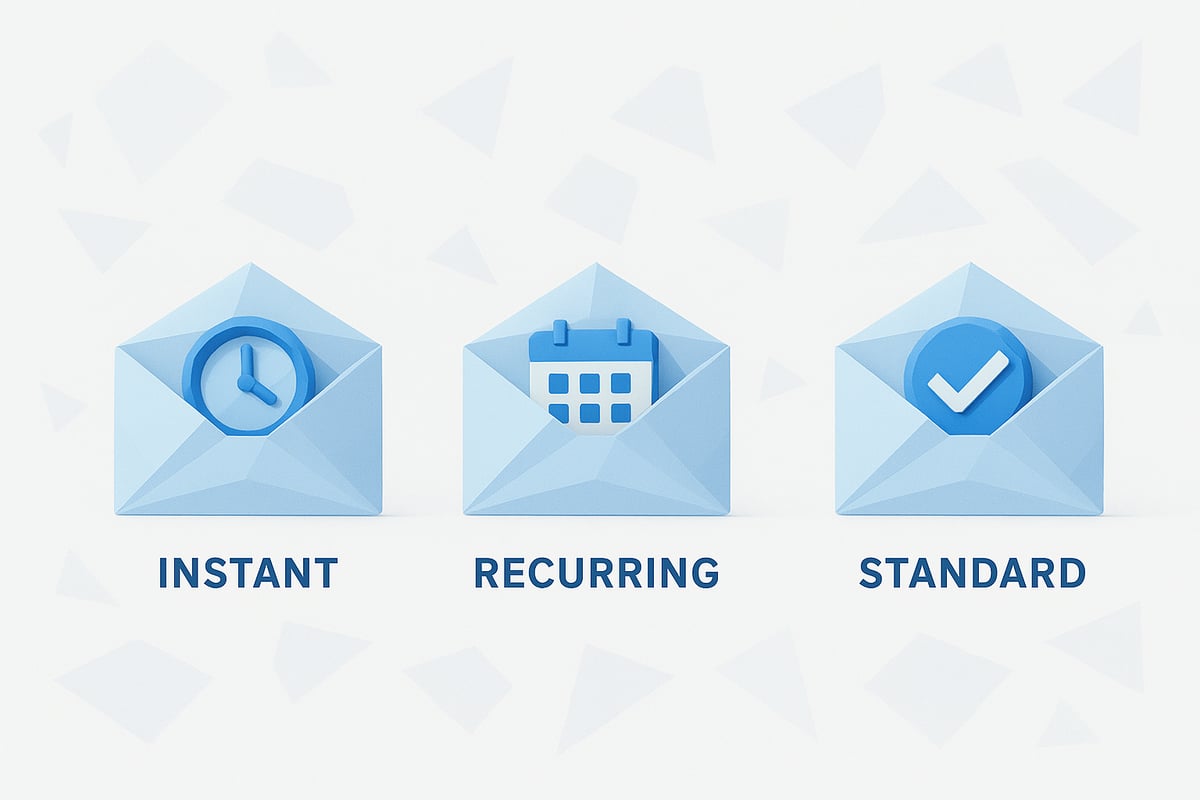
A consent email can be categorized as instant, recurring, or standard, each serving unique purposes.
- Instant consent emails are sent immediately when someone joins your list, such as after a signup or purchase.
- Recurring consent emails are scheduled at set intervals if the user has not responded, ensuring ongoing compliance and giving users multiple opportunities to engage.
- Standard consent emails are one-off messages sent to a specific segment, often during policy updates or audits.
For example, recurring emails are effective for contacts who have not confirmed their preferences, helping organizations remain compliant. The right type of consent email should align with the user's journey and legal requirements. Data shows that recurring reminders can increase consent rates by up to 25 percent.
Consent Email Content: What to Include
Every consent email must be clear, concise, and actionable. Essential elements include:
- A straightforward explanation of why you need consent and how data will be used, which is required by laws like GDPR.
- Prominent, actionable CTAs such as "Consent" and "Deny" buttons.
- Personalization using merge tags, ensuring each recipient feels recognized.
- Branded templates and visually clear layouts that build trust.
For instance, platforms like Zoho support dynamic fields to personalize every consent email. Simplicity and transparency are proven to drive higher response rates. In fact, personalized consent emails see 15 percent more opt-ins.
Consent Acquisition Channels: Forms, Emails, and CRM Integrations
Organizations can collect consent via multiple channels, each supporting a seamless user experience:
- Email campaigns featuring clear consent CTAs.
- CRM-integrated forms that automatically track and store consent status.
- Multi-channel prompts, including website pop-ups and in-app notifications.
Zoho CRM, for example, offers robust B2B consent management through integrated forms. Using a unified platform for consent email collection reduces management errors by 40 percent, boosting compliance and operational efficiency.
Examples and Best Practices from Leading Platforms
Industry leaders like HubSpot and Zoho have established best practices for consent email management:
- HubSpot emphasizes acceptable consent scenarios, discouraging reliance on third-party lists.
- Zoho uses consent merge tags and dashboard tracking to automate and document every consent email.
- Double opt-in workflows are increasingly recommended for sensitive data.
Adopting these platform features helps automate compliance and reduces manual errors. According to the Email Industry Data Report 2025–2026, automated consent tracking significantly lowers audit risk and supports higher deliverability rates.
Step-by-Step Guide: Creating a High-Performing Consent Email in 2026
Building a successful consent email program in 2026 requires precision, transparency, and compliance at every stage. This step-by-step guide will help you create high-performing consent emails that not only meet legal standards but also drive trust and engagement.
Step 1: Define the Purpose and Legal Basis
Start by clarifying why you are sending the consent email. Are you seeking permission for marketing updates, product news, or transactional notifications? Each purpose may require a distinct approach and legal foundation.
Document the legal basis for each consent email. Under GDPR, link consent to specific processing activities. For example, newsletter signups require explicit consent, while product updates may be based on legitimate interest or contract.
A clear, well-communicated purpose increases transparency and reduces confusion. Data shows that 60 percent of consent withdrawals arise from unclear email purposes. Always align your consent email with a precise and documented rationale.
Step 2: Choose the Right Consent Email Type and Audience
Select the consent email type that fits your scenario. Instant consent emails are ideal for new subscribers, while recurring emails suit situations where responses are pending. Standard emails work well for one-time requests.
Segment your audience for maximum relevance. New users, existing customers, and inactive contacts may need different messaging and timing. For example, non-responsive users benefit from recurring reminders, while loyal customers may require only a single consent email.
Tailoring the consent email frequency and content to each segment boosts opt-in rates and reduces user fatigue. Segmentation is key to driving engagement and compliance.
Step 3: Craft Compliant and Engaging Email Content
Write concise, jargon-free content for your consent email. Clearly explain what users are consenting to, using language that is easy to understand.
Include actionable buttons or links for both consent and denial. Platforms like Zoho and HubSpot recommend clear CTAs to maximize response. Personalize your consent email using merge tags, such as the recipient’s name or specific interests, to increase relevance.
Branded templates with dynamic fields can further enhance trust. Remember, clarity and relevance are proven to improve consent email response rates and reduce opt-outs.
Step 4: Set Up Consent Tracking and Recordkeeping
Leverage your CRM or email marketing platform to log each consent email action. Record the timestamp, method, and purpose for every consent received.
Enable dashboards or reporting tools to monitor compliance and prepare for audits. For example, Zoho’s dashboard provides real-time consent status, helping you stay organized and audit-ready.
To streamline this process, consider solutions like Minimo consent email workflows, which offer automated tracking, analytics, and secure database integration. Automated tracking reduces legal risk and ensures every consent email is properly documented.
Step 5: Schedule and Automate Consent Reminders
Set up reminders for users who do not respond to your initial consent email. Best practice is to allow at least two days between reminders and to limit follow-ups to a maximum of two.
Automated workflows, such as those in Zoho Campaigns, help efficiently recover missed consents while respecting user preferences. Reminder emails can recover up to 40 percent of missed consents, making them an essential part of your consent email strategy.
Use polite, personalized messaging in each reminder to maintain a positive brand image and improve response rates.
Step 6: Manage Multi-Purpose and Multi-Channel Consent
Allow users to opt in for specific purposes within your consent email. GDPR recommends offering granular choices, such as separate options for product news, promotions, or policy updates.
Implement a preference center where users can manage their selections. Expand your consent email strategy across multiple channels, including email, website pop-ups, in-app prompts, and messaging apps like WhatsApp.
Multi-channel consent email collection increases reach and enables users to control their communication preferences, which builds trust and reduces opt-outs.
Step 7: Monitor, Analyze, and Optimize Consent Email Performance
Track key metrics for every consent email campaign, including open rates, click rates, and consent confirmations. Use dashboards to segment results by audience, message purpose, and channel.
Apply A/B testing to subject lines, CTAs, and content layouts to identify what works best. Platforms like Zoho offer analytics that help you continuously refine your consent email approach.
Ongoing optimization ensures your consent email strategy keeps pace with compliance demands and audience expectations, driving higher engagement over time.
Consent Email Reminders and Ongoing Consent Management
Keeping your consent email strategy effective in 2026 means more than just sending a single message. Ongoing management and thoughtful reminders help maintain compliance, boost engagement, and build trust. Let us break down the essentials for successful consent email reminders and continuous consent oversight.
<div data-youtube-video> <iframe src="https://www.youtube.com/embed/jkqNY_Yi2MQ" frameborder="0" allowfullscreen data-type="youtube" data-youtube-video-id="jkqNY_Yi2MQ" ></iframe> </div>Best Practices for Reminder Emails
To maximize the effectiveness of your consent email reminders, timing and approach are critical. Always schedule reminders with at least a two-day gap to avoid overwhelming users. Limit the number of reminders to two, which aligns with best practices from leading platforms.
Personalize each consent email reminder by referencing the recipient's previous interactions or preferences. Use clear, polite language that encourages action without pressuring the recipient. Automated workflows can help you maintain consistency and ensure no contact is missed.
Properly timed and personalized consent email reminders can increase consent rates by 25 percent. By respecting your audience's time and attention, you foster positive engagement and higher opt-in rates.
Handling Non-Responsive or Denied Consent
Responding appropriately to non-responses or explicit denials is essential for both compliance and reputation. If a user denies a consent email, remove them from your marketing lists immediately. For non-responsive contacts, pause all marketing communications until you receive explicit consent.
For bulk email campaigns, platforms like HubSpot recommend verifiable opt-in before sending. Ignoring denials or non-responses increases the risk of spam complaints and blacklisting. According to industry data, about 10 percent of users who deny a consent email will file a complaint if contacted again.
To ensure compliance with legal requirements such as opt-out handling, consult resources like the CAN-SPAM Act Compliance Guide. Adhering to these standards protects your brand and maintains a healthy sender reputation.
Consent Refresh and Reconfirmation Strategies
Consent is not a one-time agreement; it must be refreshed periodically to remain valid. Schedule consent email reconfirmation every two years, or whenever significant changes occur, such as a brand merger, policy update, or new product launch.
Triggering a new consent email at key milestones ensures your records are current and your audience remains informed. For example, after a company acquisition, a reconfirmation consent email maintains transparency and trust.
Ongoing consent management through periodic refreshes not only supports legal compliance but also builds lasting relationships with your subscribers. Proactive communication demonstrates respect for user preferences and evolving expectations.
Tracking and Reporting Consent Status
Efficient consent email tracking and reporting are vital for audit readiness and ongoing compliance. Use dashboard tools to monitor the status of each consent email, including timestamps, purpose, and user responses.
Most platforms offer features to export consent records for compliance audits. Real-time dashboards provide granular details at the contact level, making it easier to identify gaps or required follow-ups.
Automated reporting streamlines audit preparation, reducing the time spent on manual recordkeeping by up to 50 percent. By leveraging these tools, you keep your consent email program organized, transparent, and audit-ready at all times.
Advanced Consent Email Optimization for 2026
Optimizing your consent email strategy in 2026 means going beyond compliance and exploring advanced personalization, automation, and analytics. With new privacy expectations and evolving user behaviors, organizations must refine every aspect of their consent email workflows to stay ahead.
Personalization and Dynamic Content Strategies
Personalization is essential for a high-performing consent email in 2026. Use merge tags to insert names, preferences, or consent purposes directly into the message. Dynamic content adapts the message based on user segment, status, or interaction history, making every consent email feel relevant and timely.
Consider the following strategies:
- Insert user names and company details with merge tags.
- Show different CTAs depending on prior engagement.
- Adjust messaging based on region or consent type.
For example, a returning customer might see a personalized reminder, while a new subscriber gets a welcome consent email. This approach makes recipients feel recognized, increasing the likelihood of positive action. Personalized consent email campaigns consistently outperform generic ones in both engagement and opt-in rates.
Multi-Channel Consent Collection: Email, Web, and Messaging
A modern consent email program reaches users where they are, not just in their inbox. Multi-channel consent collection uses email, web forms, in-app pop-ups, and messaging apps like WhatsApp to capture preferences efficiently.
- Email: Traditional but still effective for most audiences.
- Web forms: Seamless for site visitors and B2B leads.
- WhatsApp: Ideal for mobile-first and international users.
For WhatsApp, brands can leverage ready-made templates and APIs to streamline consent requests. The WhatsApp consent template API makes it easy to standardize and automate consent messages across devices. Expanding beyond email increases your reach and ensures no user segment is left behind in the consent process.
Leveraging Automation and CRM Integration
Automation is the backbone of an efficient consent email system in 2026. Integrate your CRM with email and consent tools to trigger workflows automatically based on user actions or lifecycle events. This reduces manual intervention and ensures consistent compliance.
- Set up automated reminders for pending consents.
- Update consent status instantly across platforms.
- Use CRM data to personalize and segment consent emails.
For example, integrating with tools like Consent email automation with Zapier allows you to connect multiple platforms and automate repetitive consent tasks. Automated workflows minimize errors and free up resources for strategic initiatives, making your consent email process both scalable and reliable.
Measuring and Improving Consent Email Performance
Continuous improvement is vital for consent email success. Monitor key performance indicators like open rates, click-through rates, consent rates, and opt-outs using your platform’s analytics dashboard. Segment results by channel, audience, and consent purpose for deeper insights.
Consider A/B testing:
- Subject lines and preview text
- CTA button placement and color
- Message length and tone
A sample table for tracking consent email metrics:
| Metric | Target | Actual | Improvement (%) |
|---|---|---|---|
| Open Rate | 40% | 38% | -5 |
| Consent Rate | 25% | 28% | +12 |
| Opt-Out Rate | <2% | 1.5% | +0.5 |
By continuously optimizing, you ensure your consent email campaigns adapt to changing user preferences and regulatory shifts.
Future Trends: AI, Privacy, and Consent in 2026
Looking ahead, AI will play a growing role in consent email optimization. Intelligent algorithms can predict which users are likely to respond, personalize timing, and recommend content for higher engagement. Enhanced privacy controls will empower users to manage their consent more granularly.
Expect legal trends toward stricter consent verification and shorter consent windows. Platforms will offer predictive reminders and smart segmentation to stay compliant and maximize opt-in rates. Staying agile and leveraging these innovations ensures your consent email strategy remains both effective and future-proof.
Platform Tools and Solutions for Consent Email Management
Selecting the right platform for consent email management is essential for compliance, efficiency, and user trust. Today’s top email platforms equip organizations with powerful tools to automate, track, and optimize every step of the consent process. A robust consent email workflow supports regulatory requirements and improves deliverability, making it a cornerstone for modern marketing teams.
Built-In Consent Features in Leading Email Platforms
Leading platforms such as HubSpot and Zoho Campaigns offer purpose-built features for consent email management. These solutions provide built-in consent tracking, merge tags for dynamic personalization, and dashboard analytics to monitor engagement and compliance. For example, Zoho’s consent merge tags allow marketers to personalize each consent email, increasing relevance and opt-in rates.
Dashboards display real-time consent status and help teams prepare for audits by exporting comprehensive records. Automating consent email workflows through native features ensures every step is logged and verifiable. This not only saves time but also reduces the risk of manual error, making compliance straightforward. By leveraging these built-in tools, organizations maintain a healthy sender reputation and boost engagement with every consent email.
Integrating Consent Management with CRM and Marketing Automation
Syncing consent email status with CRM platforms like Zoho CRM and HubSpot enables seamless automation. Consent data flows automatically between marketing and sales systems, ensuring every contact’s preferences are always up to date. Automated workflows can trigger consent email requests when users submit forms, update preferences, or reach new lifecycle stages.
For teams seeking advanced integrations, platforms like Minimo support ActiveCampaign integration for consent emails, allowing SaaS companies to automate consent email delivery and tracking across multiple channels. Unified systems simplify compliance reporting and reduce manual effort. This connected approach to consent email management helps organizations scale efficiently as their user base grows.
How Minimo Streamlines Consent Email Workflows for SaaS Teams
Minimo offers a plug-and-play solution designed for SaaS teams managing high-volume consent email workflows. With instant integration to Supabase or Postgres databases, Minimo can trigger consent email requests automatically for new signups, policy changes, or product launches.
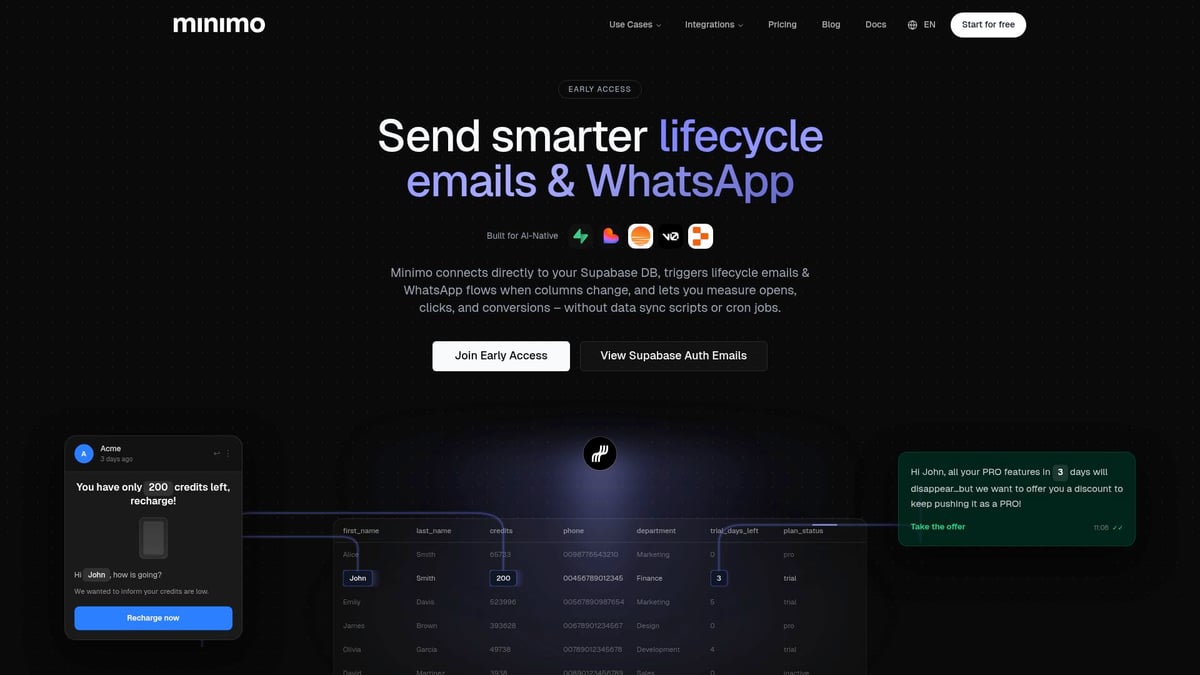
Its visual, no-code workflow builder enables teams to design multi-channel consent email campaigns and reminders without technical expertise. Minimo’s real-time analytics dashboard provides granular tracking of consent status for every user, supporting GDPR compliance with secure, read-only database access. Multi-tenant features allow agencies and B2B SaaS to manage multiple client databases efficiently, all while maintaining brand consistency with editable consent email templates.
Choosing the Right Consent Email Solution for Your Organization
When evaluating consent email solutions, consider your organization’s compliance landscape, automation needs, and user base size. Look for platforms offering dashboard analytics, CRM integration, and multi-channel capabilities such as email and WhatsApp.
For global SaaS providers, the ability to manage consent email workflows in multiple languages and regions is crucial. Ensure the tool can scale with your growth, support periodic consent refreshes, and provide audit-ready reporting. The right consent email platform will empower your team to stay ahead of evolving regulations while building lasting user trust.<br><br>After exploring the latest compliance trends and high performing consent email strategies for 2026, you can see how crucial it is to have a reliable, integrated solution that connects directly to your data and automates every step. With Minimo, you get a plug and play CRM that triggers lifecycle emails and WhatsApp flows based on real time database events—no sync scripts or manual headaches. If you’re ready to simplify consent management, boost engagement, and stay confidently compliant, you can Get started for free and see firsthand how effortless modern consent email workflows can be.
Article written using RankPill.